Local detail
How Local Conditions Play In
Charleston sits in a mild climate band with occasional freeze, which sounds easy on a garage door compared to places that see hard winters. It is, mostly. But mild-with-freeze means the door panel gets cold snaps a handful of nights a year and then swings right back into humid heat the next week. A steel door with no insulation flexes with that swing - the skin contracts overnight and expands by afternoon, and over enough years that stresses the seams and the weatherstrip channel.
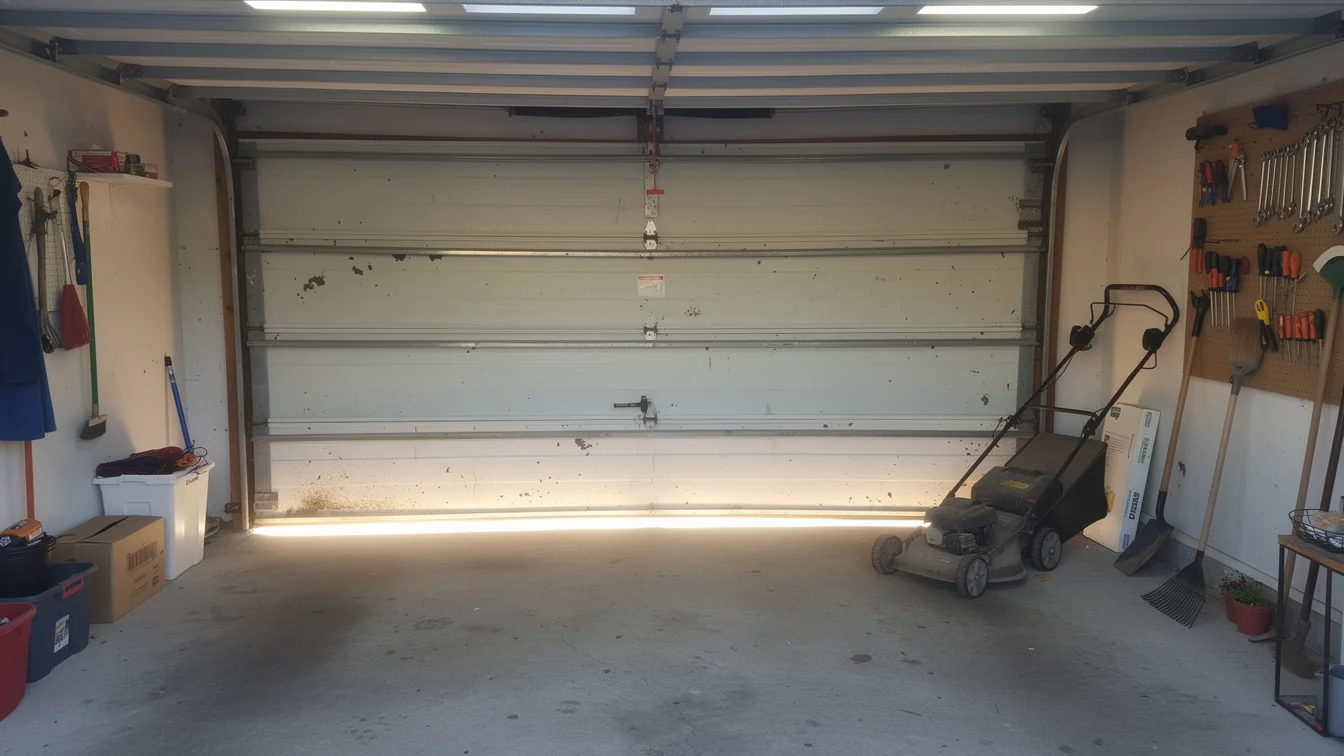
The bigger issue is when the house was built. Most of the stock across the thirteen areas we work in - from West Ashley to Goose Creek - went up between 1971 and 2002, with the heaviest concentration in the 1980s and 90s. Doors installed during that build-out predate the insulation standards that became common later. They're single-skin steel or thin wood composite, no foam core, no thermal break at the track. That was normal for the era. It's also why so many owners now are looking at a door that's structurally fine but does nothing to stop heat or moisture transfer into an attached garage.
We don't treat every older door as a problem. A non-insulated door from that period can still run another decade if the hardware's sound. The age only matters once you're also dealing with a failing spring, warped panel, or a garage you're trying to condition.
The area
What You Pay
We don't have a flat price to quote you here, and we're not going to make one up. What we can tell you is what drives the number. On a house from the 1980s or 90s stock that's common across this area, the panel itself is usually the cheap part - it's the track realignment and hardware replacement that adds up, because original hardware from that build era is often side-mounted torsion, not the extension-spring setup that's easier to source parts for today.
Household income across the service area runs a median around $96,000, and we see that reflected in the jobs we get called for: more owners choosing a full insulated replacement over a patch repair once the old door starts needing yearly attention. That's a choice, not a requirement - a non-insulated original door with good hardware is still a reasonable thing to keep running.
If you want a number, we'll give you one after we look at the door in person. Anything quoted before that is a guess, and guesses on garage doors are usually wrong in the homeowner's favor until the truck shows up.
What we find
The Situation
Across the roughly 129,815 households we serve, about half - 63,826 - own rather than rent, and ownership is what usually triggers a door call. Renters call landlords; owners call us. Most of those owned houses sit in the same build window, 1971 to 2002, which means a lot of garages within a few miles of each other have the identical original door, the identical non-insulated panel, and the identical hardware getting tired at roughly the same age.
That shows up differently depending on where you are. Closer in - Ansonborough, Harleston Village, West Ashley - older sections mix in with the newer stock, so we see more variety in door age and style. Out toward Hanahan, Goose Creek, and Ladson, the 80s and 90s build-out is more uniform, and we get strings of calls from the same few streets within a season, because the doors are all aging out together.
We cover out to James Island, Mount Pleasant, Sullivan's Island, Folly Beach, North Charleston, Isle of Palms, Kiawah Island, Ravenel, Hollywood, Meggett, and Wild Dunes as well. The mix shifts island to island - more salt-air wear near the barrier islands, less of it inland - but the underlying housing-age story is the same one driving most of the calls.
How we work
When It Stops Being a DIY Job
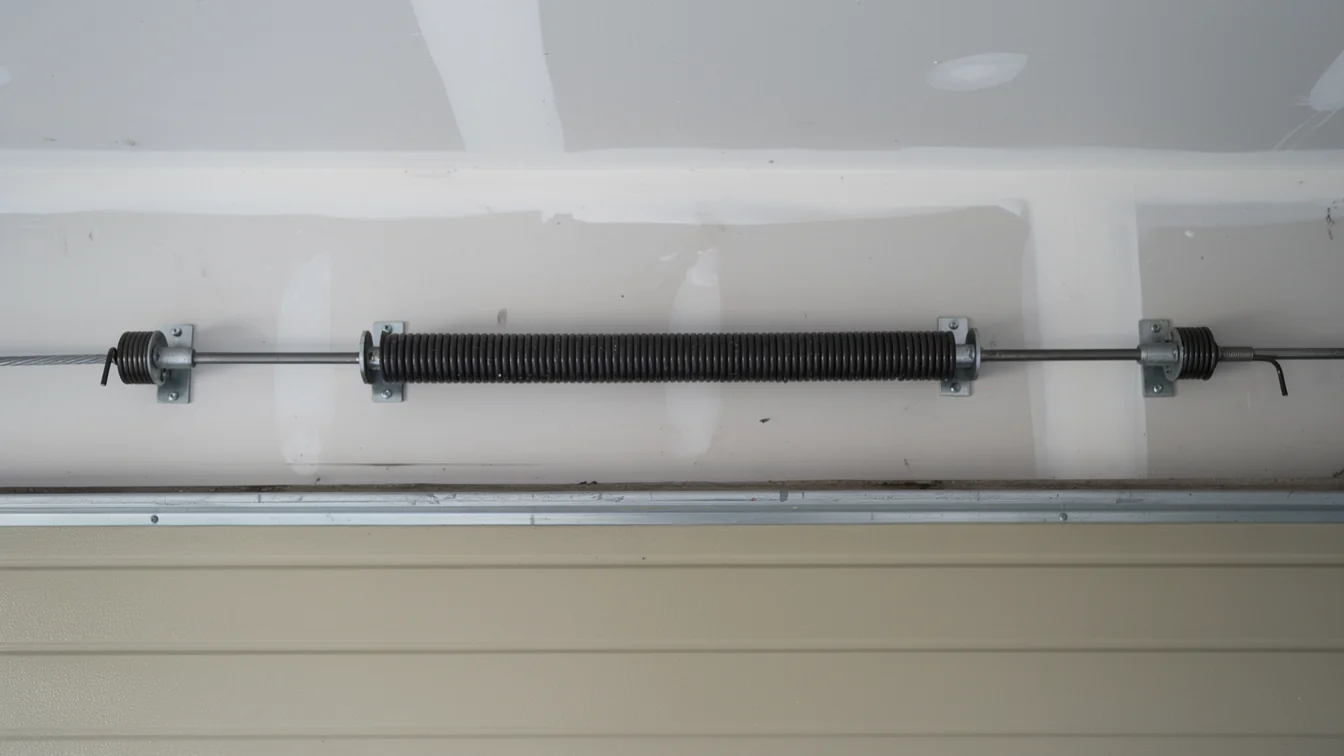
Swapping weatherstrip or lubricating rollers on a door from the 1980s-90s stock is fair DIY territory, and we'd rather you do that yourself than call us for it. Where it stops being a weekend project is the spring.
A torsion spring under full tension can put someone in the ER, and on a door this age the spring has usually never been replaced - it's the original, and original springs on houses from that build window are now 25 to 50 years old. If it's rusted, if the winding cone looks worn, or if the door won't stay up on its own, that's a call, not a project.
The other line we draw: once a non-insulated original door starts needing hardware work every year, a repair bid stops making sense next to a full replacement, especially if you're trying to get ahead of humidity swings in an attached garage. We'll tell you straight when a fix isn't worth the labor, even if that costs us the job. A door that's structurally tired but mechanically simple is sometimes better left alone until it actually fails - not every creak needs a truck.
Talk to a local pro
Garage door trouble in Charleston?
Same-day service with honest, upfront quotes.