
Charleston, SC
Garage Door Maintenance for Charleston Homes
Routine garage door maintenance for Charleston homes built mostly in the 1980s and 90s, where humidity swings and original torsion hardware wear out the same way, year after year.
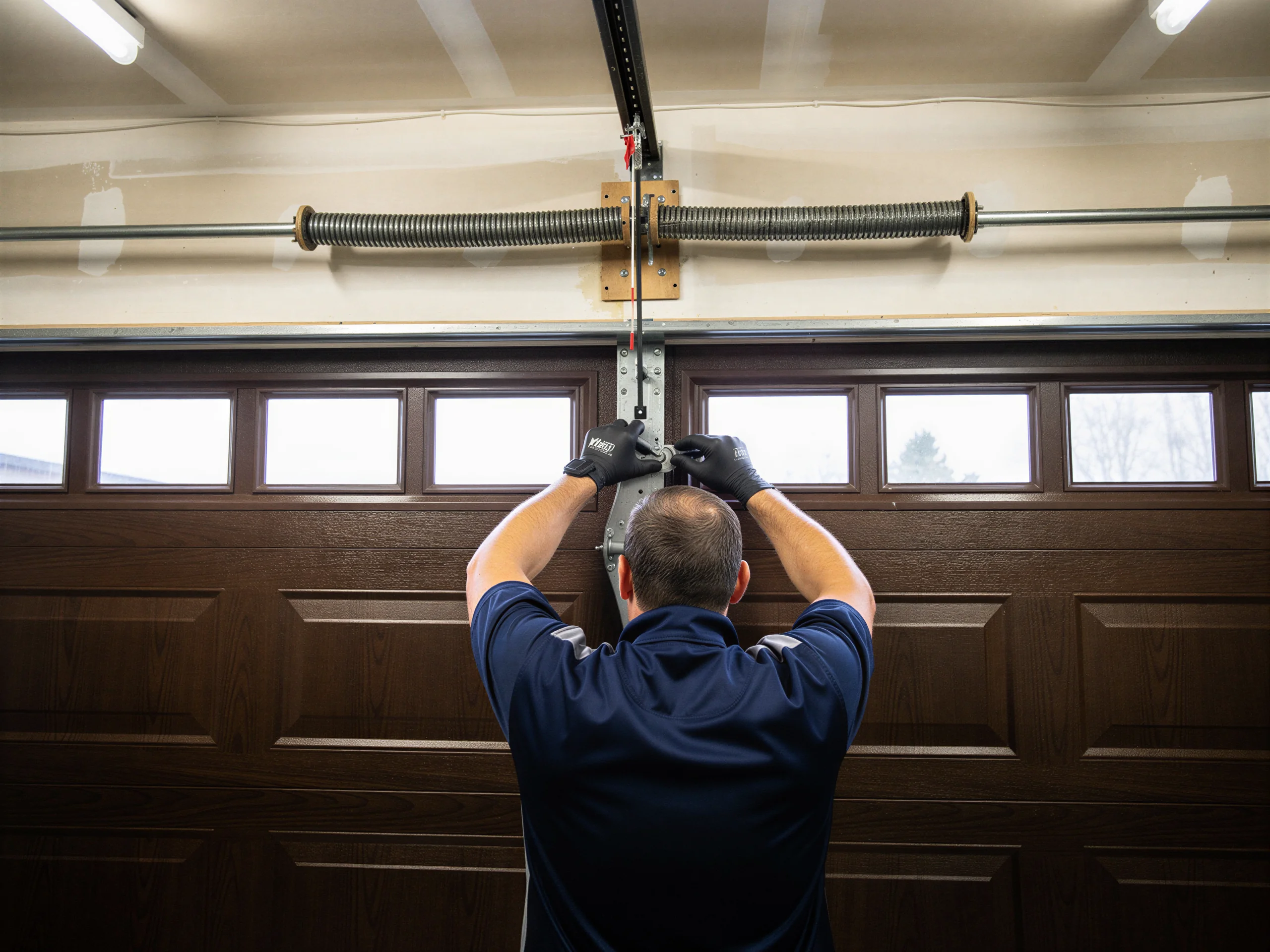
- Garage Door Repair
- New Door Installation
- Springs & Openers
Parts We Carry
A maintenance visit isn't just a can of spray lubricant. We carry torsion springs sized for the two-spring setups common on doors from the 1980s and 90s, extension springs for the older end of that range, galvanized lift cables, sealed-bearing rollers, and the hinges that take the worst beating on double-car doors.
Weatherstrip for older panels
We stock weatherstrip and bottom seal in the widths that fit panel doors from that era, since a lot of original seal has gone brittle by now. Opener parts are a smaller stock item for us on a maintenance call - gear kits and sensor eyes, mostly, for the chain and belt units that replaced older openers over the years.
Obsolete hardware patterns
We don't keep every obsolete bracket or hinge pattern on the truck. If your door uses hardware from a style that stopped being made decades back, we'll tell you that up front rather than quote a part we have to special-order and make you wait on.
Routine wear hardware
Most of what we replace during a tune-up is wear hardware: springs losing tension, rollers that have gone from nylon-smooth to flat-sided, cable strands starting to fray at the drum. None of it is exotic. It's the stuff that fails first on a door that's been opening and closing twice a day for thirty-plus years.
How It Shows Up
The first sign is usually noise - a grinding roller, a spring that pops instead of stretches, a door that shudders halfway up. On homes from Mount Pleasant to Goose Creek and everywhere between, we see the same pattern: a door that worked fine all spring starts binding the moment the first real heat and humidity set in, then seizes up tighter on the one or two nights a year it actually gets cold.
Uneven closing warning
Uneven closing is another early tell. One side of the door drops faster than the other, which usually means a spring has lost tension unevenly or a cable has stretched.
Opener strain warning sign
Owners often notice the opener straining - motor working harder, door closing slower - before they notice the hardware itself. Rust is the other common one, especially on the torsion bar and the bottom brackets, where condensation collects and doesn't fully dry out between humid days.
Door slowly gets harder
It's rarely dramatic. It's a door that gets 10% harder to open every year until one day it just doesn't, and that's usually a spring that finally gave out rather than anything sudden.
Why It Happens Here
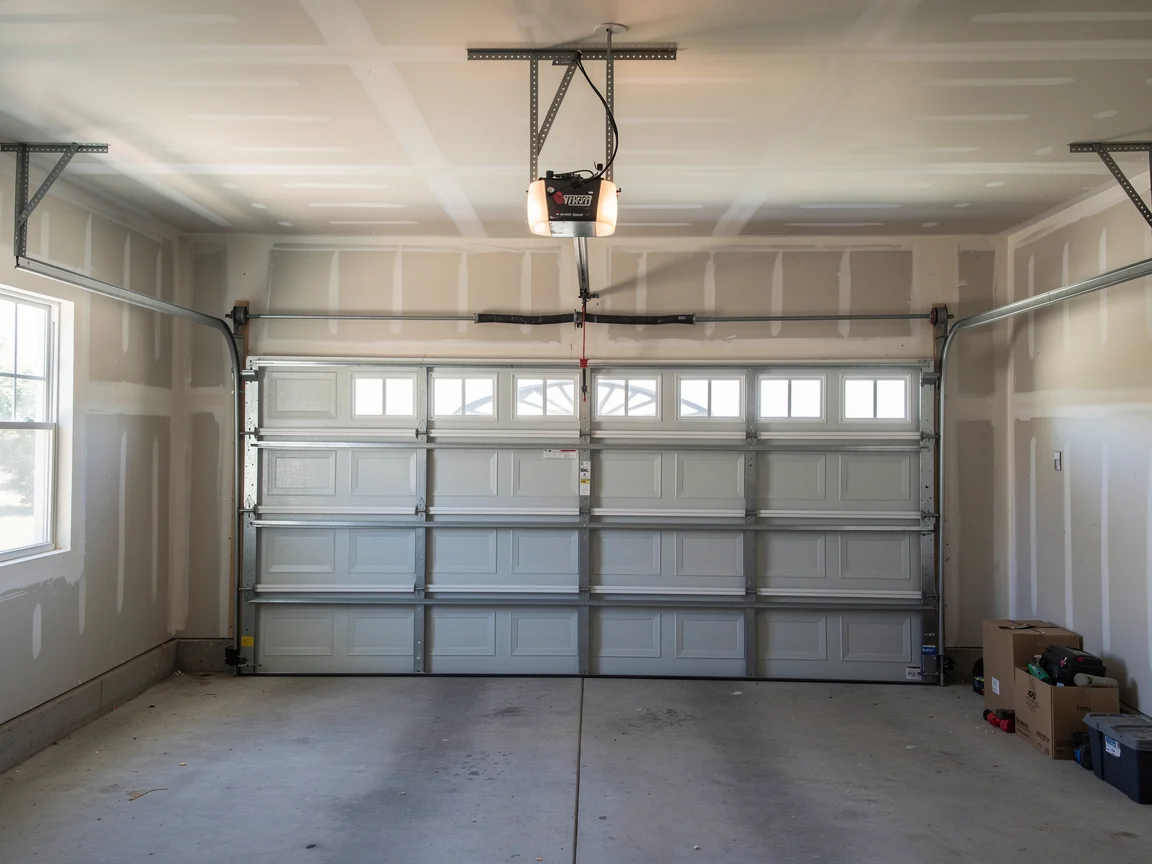
Housing across this service area mostly went up between 1971 and 2002, with the bulk of it built in the 1980s and 90s. That means a lot of doors still running on original torsion hardware, sized for the panel weights and spring tension standards of that period - not always a direct match for the hardware sold today, which matters when a spring finally lets go and the replacement has to carry the same load correctly.
The climate here is mild with only occasional freezes, and that's actually part of the problem. Hardware doesn't get a hard winter that forces regular seasonal upkeep the way it does further north. Instead it spends most of the year swelling slightly with humidity, then tightens up hard on the rare cold night. That cycle, repeated for three or four decades on the same springs and rollers, is what we're usually called out for - not storm damage, just age plus humidity doing slow, steady work on steel that was never going to last forever.
A door built in 1989 that's never had a tune-up is carrying thirty-five years of that cycle. That's the door we see most.
What the Repair Takes
A standard maintenance visit is lubrication, hardware inspection, spring tension check, and track alignment - usually under an hour. If we find a spring near the end of its life, we'll tell you rather than wait for it to break on its own, since a torsion spring failing under load is the single most dangerous moment in garage door ownership.
Matching old hardware patterns
The honest limitation: if your door's hardware pattern predates what's commonly stocked now, matching parts can take longer than a same-day fix, and sometimes the more sensible call is replacing the spring set and rollers together rather than patching one part and leaving mismatched wear on the rest.
No cosmetic or jamb work
We'll say so instead of selling a repair that just delays the next one. We don't do cosmetic refinishing or panel painting as part of maintenance, and we won't try to true up a badly warped wood jamb - that's carpentry work outside what a tune-up should cover.
Leaving door balanced and quiet
What we will do is leave the door running the way it did when it was new: balanced, quiet, and not fighting the opener to get up and down.
Questions
Common questions
How often should I get my garage door serviced in Charleston?
Most doors here benefit from a check once a year. Because the climate stays mild with only occasional freezes, you won't get the hard seasonal cue that colder regions get, so it's easy to let hardware run years past when it should've been looked at. An annual tune-up catches a weakening spring or a fraying cable before it fails.
Why does my door feel stiffer in winter?
Steel hardware contracts slightly in cold, and after months of humidity-driven swelling the rest of the year, that contraction can be enough to bind a roller or tighten a torsion spring's coil. It's usually not a new problem - it's an existing one becoming noticeable on the one or two cold nights a year we get.
Is maintenance worth it on an older door?
If the door is original to a house built in the 1980s or 90s, maintenance is often what keeps it going rather than needing full replacement. We'll tell you honestly if the hardware's too far gone for a tune-up to make sense - sometimes replacement is the better money.
Do you service doors outside Charleston proper?
We cover the wider service area, including homes built in the same 1980s-90s wave found throughout the region. Each nearby town has its own page with details specific to that area.
Explore more
Explore More Services In Charleston, SC
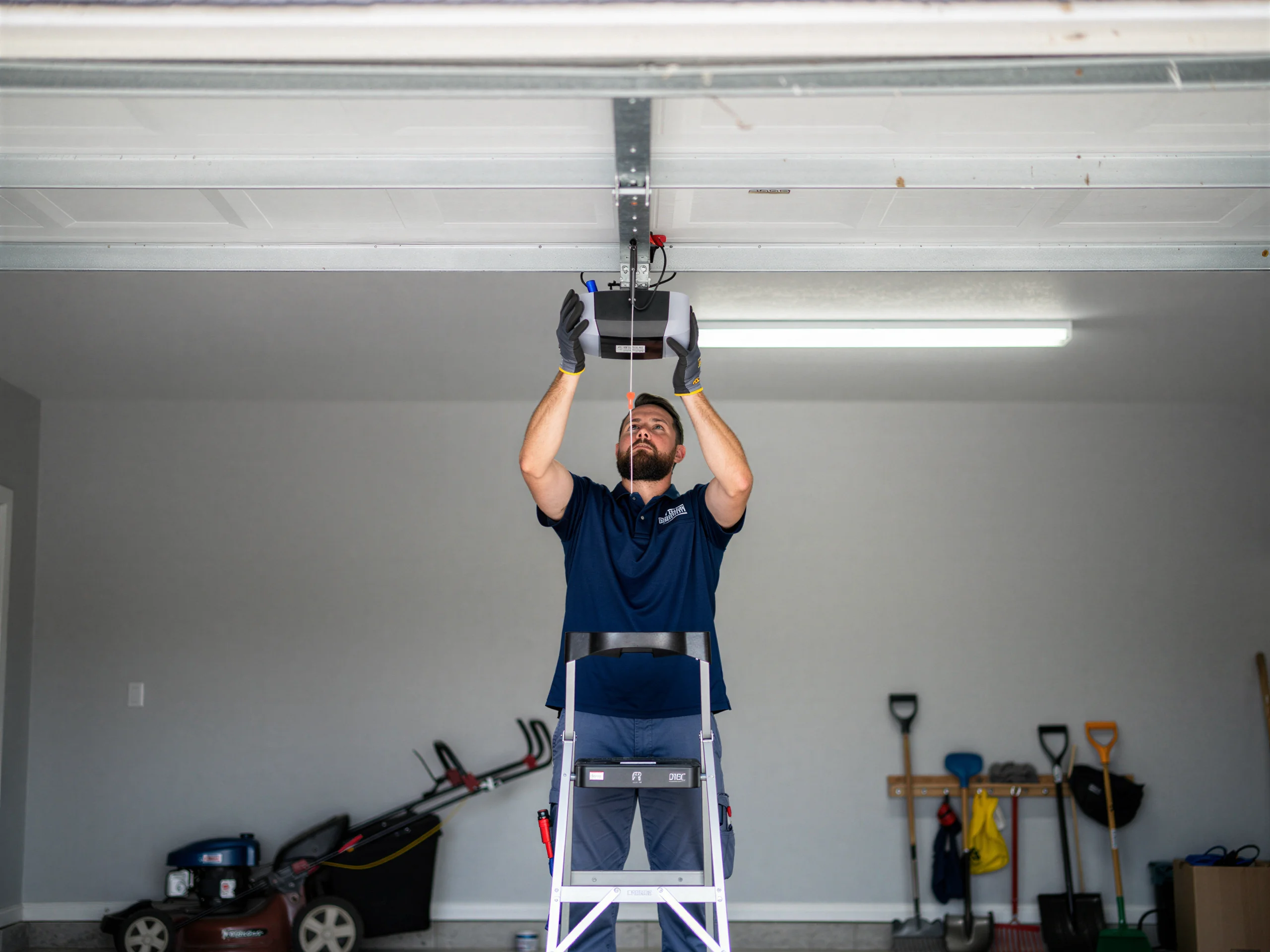
Garage Door Opener Installation Across Charleston
Charleston homes built 1971-2002 are hitting the age where chain-drive openers from the original build quit. Learn more →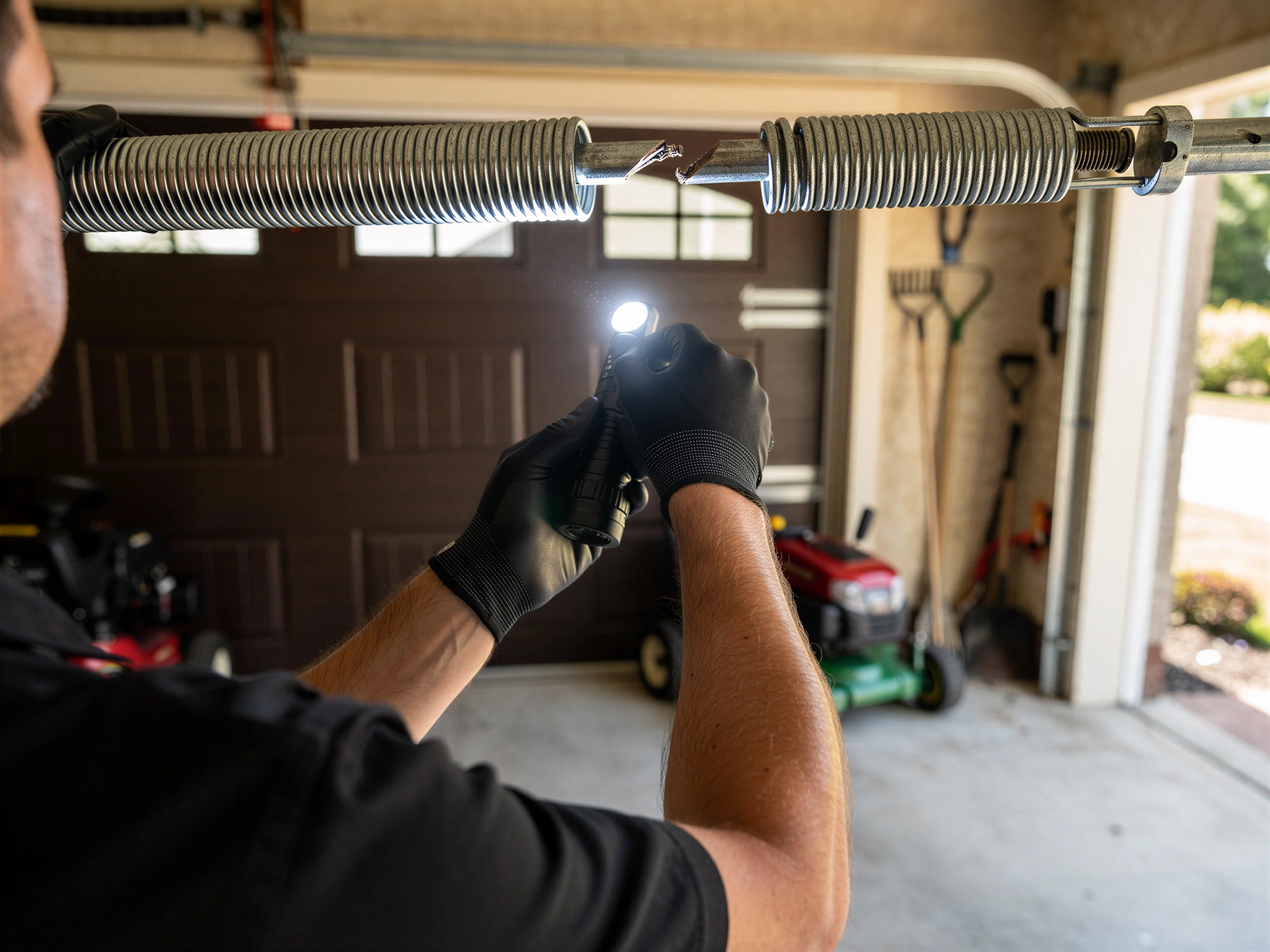
Emergency Garage Door Repair Across the Charleston Area
Broken spring or dead opener in Charleston? Learn more →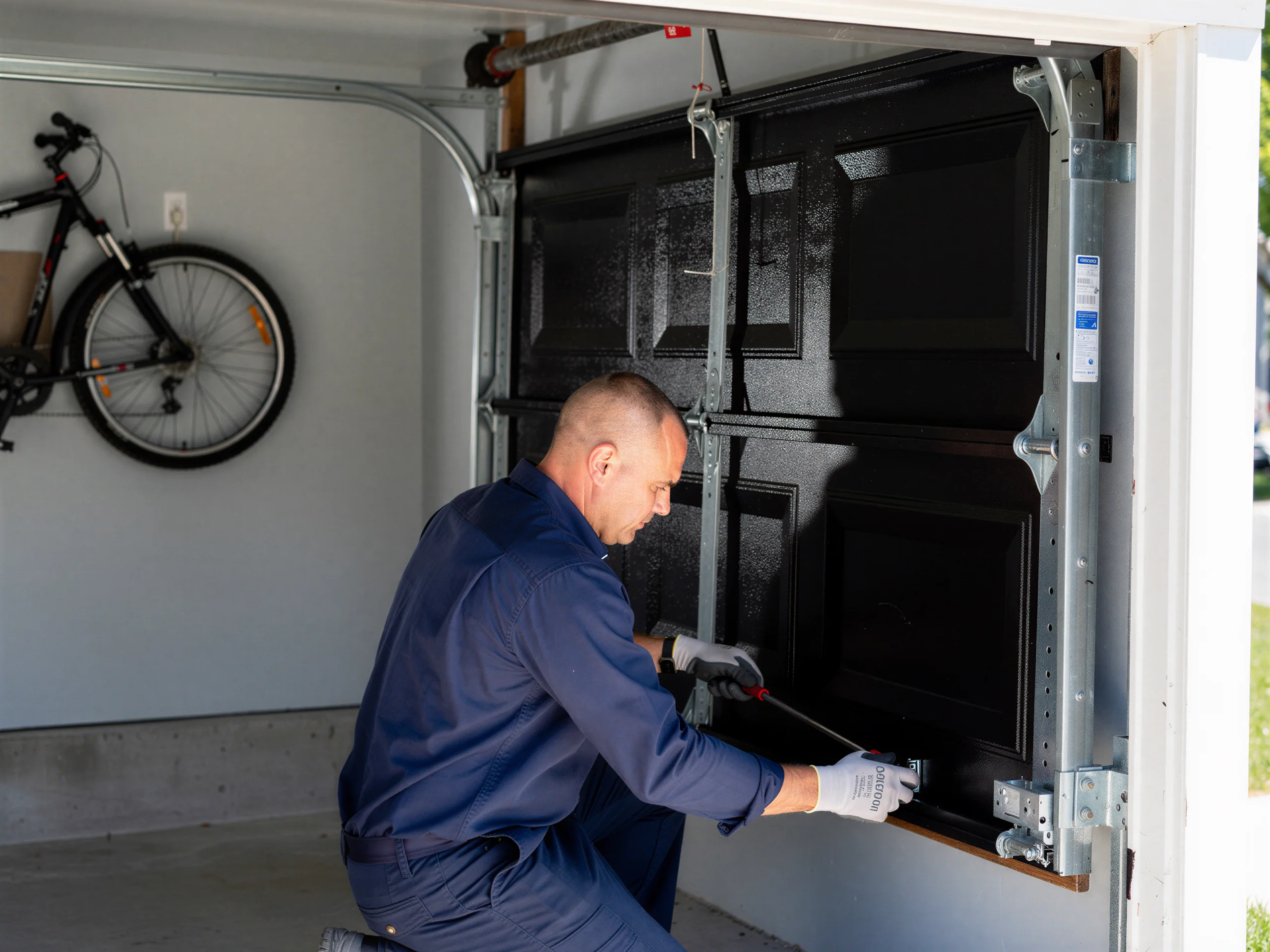
Garage Door Repair in Charleston, SC
Garage door repair for Charleston homes built 1971-2002, where coastal humidity and original hardware wear out springs, rollers, and openers faster than inland stock. Learn more →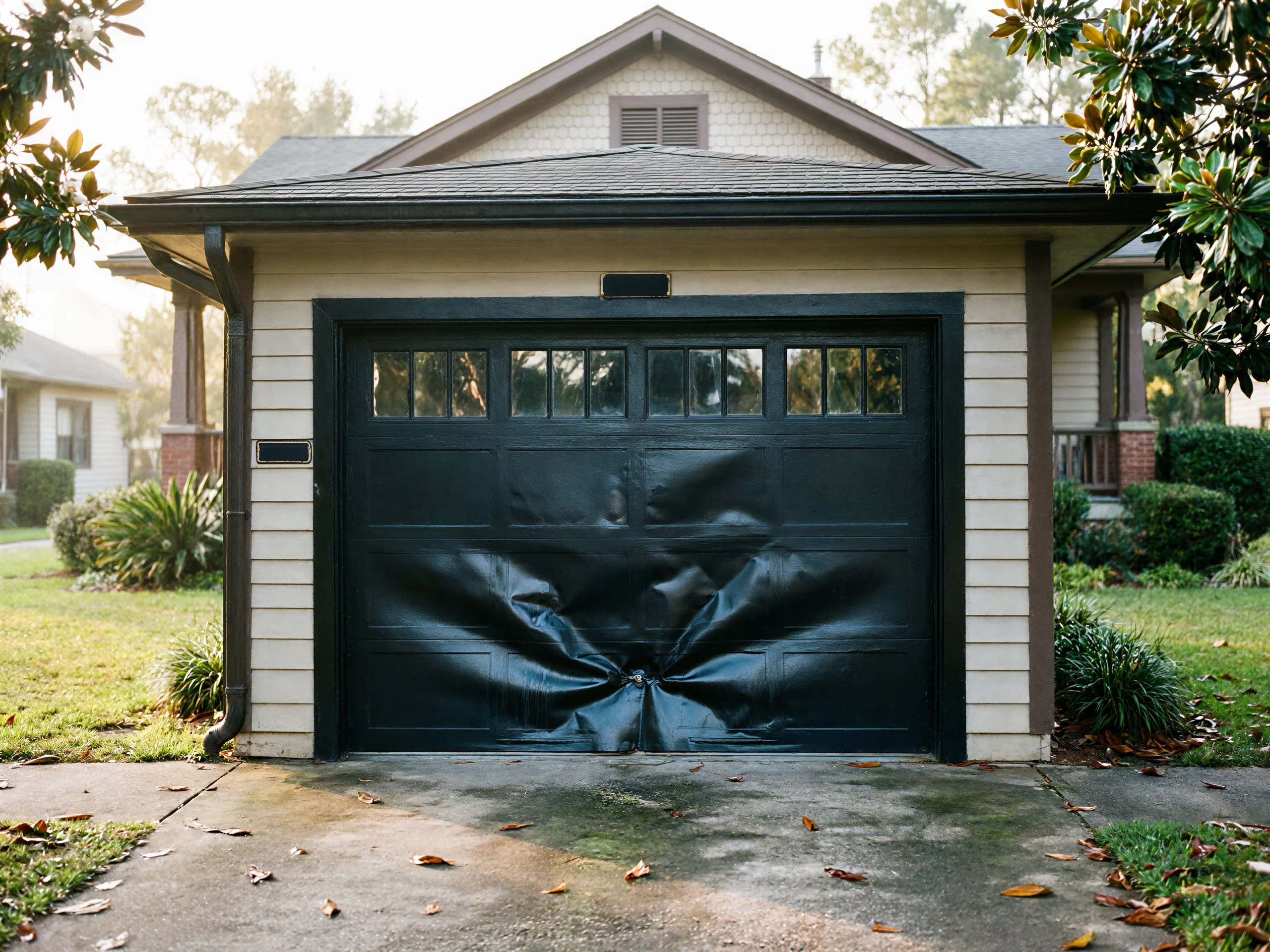
Garage Door Panel Replacement Across the Charleston Area
Panel replacement for the steel and aluminum doors common on Charleston's 1970s-2000s housing stock. Learn more →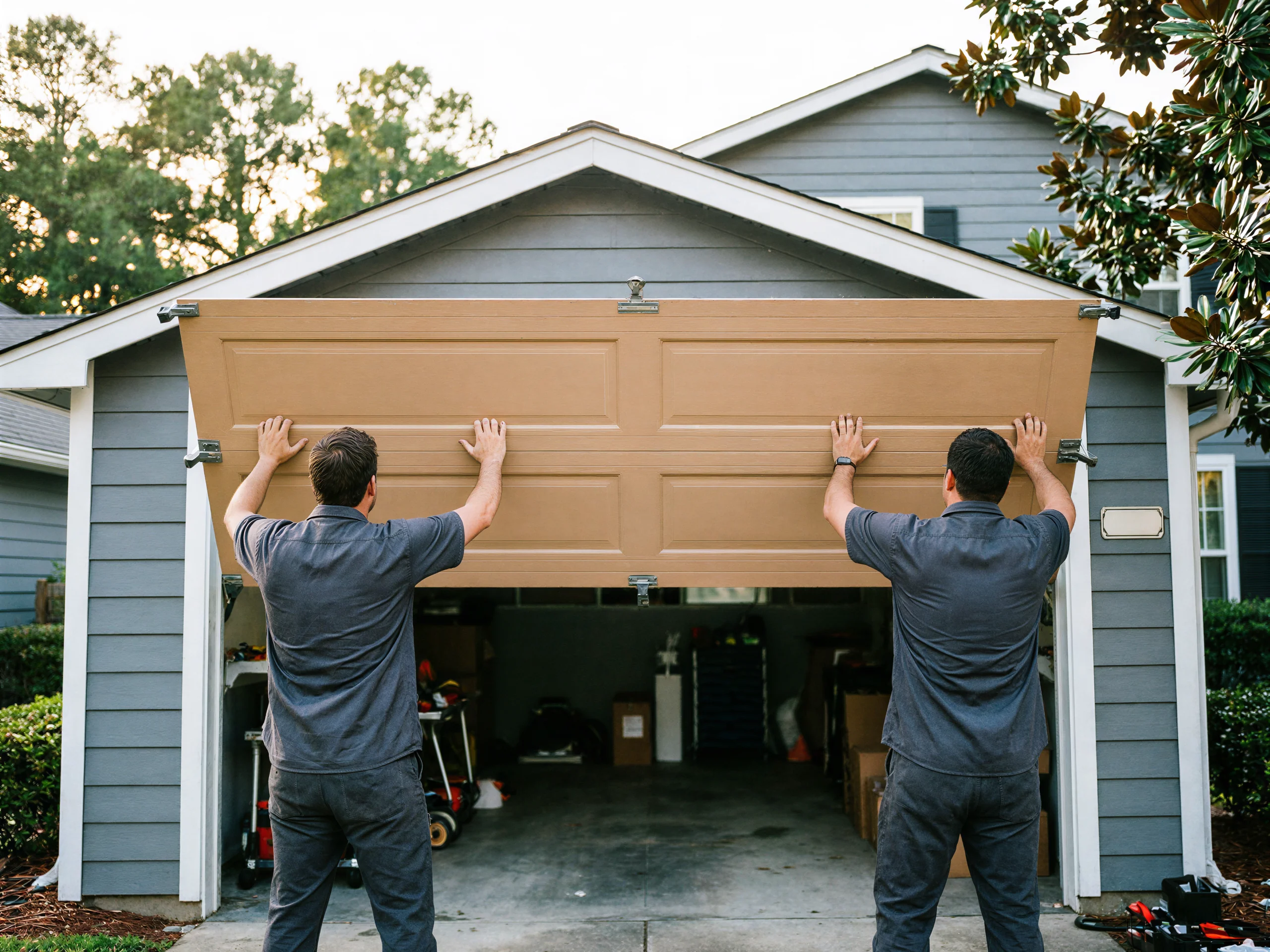
Garage Door Installation for Charleston Homes
New garage door installation for Charleston homes built 1971-2002, matched to the coastal mild-with-freeze climate and the 13 area housing styles we see every week. Learn more →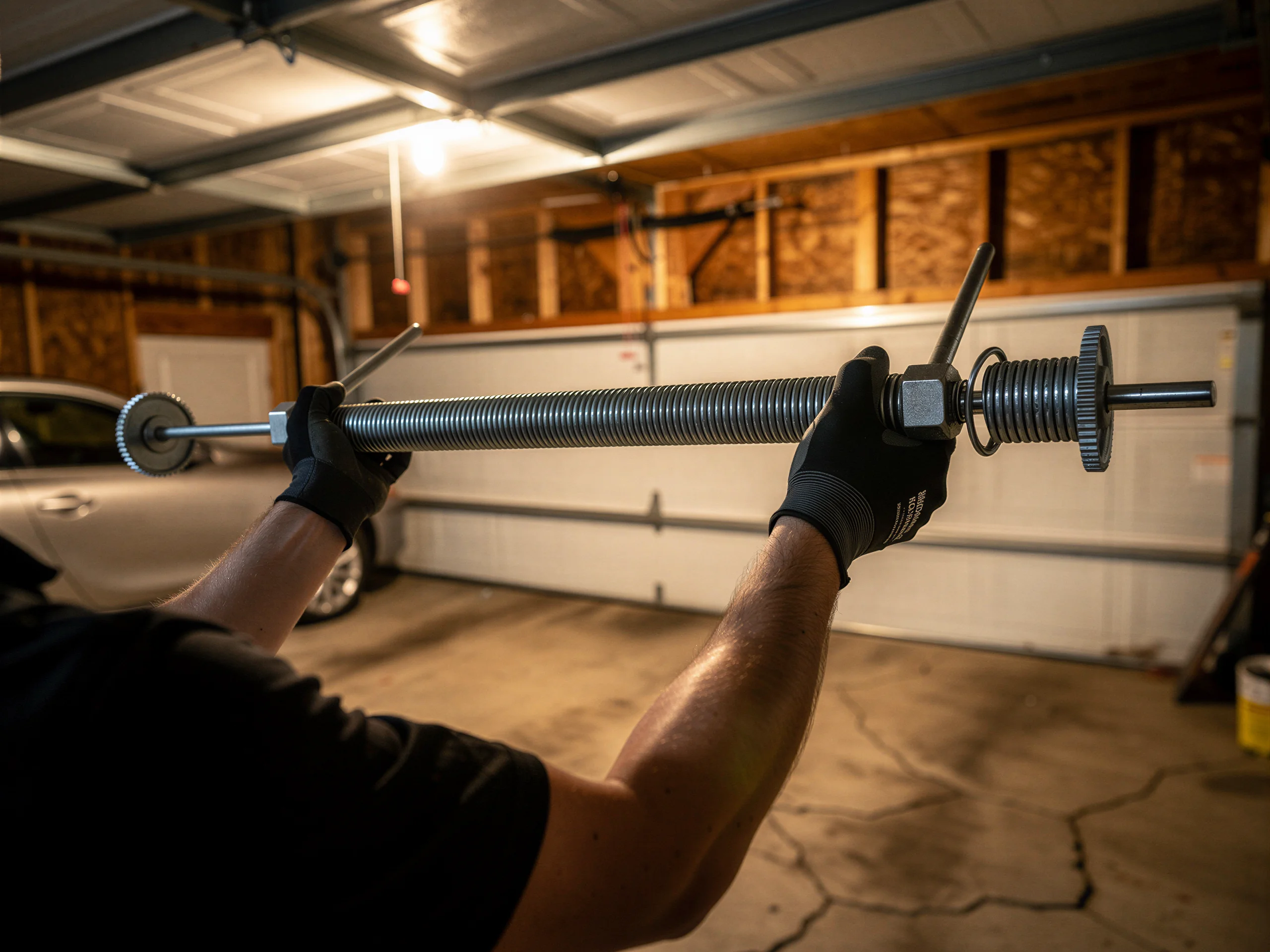
Garage Door Spring Repair, Charleston SC
Broken torsion springs are common on 1970s-90s Charleston area homes, fixed right the first time. Learn more →Ready when you are
Time for a garage door tune-up in Charleston?
Charleston Garage Door Pros repairs and installs garage doors, springs and openers in Charleston, SC and the surrounding area.