
Charleston, SC
Garage Door Panel Replacement Across the Charleston Area
Panel replacement for the steel and aluminum doors common on Charleston's 1970s-2000s housing stock. Matching panels, salt-air wear, and what a real repair costs in time.
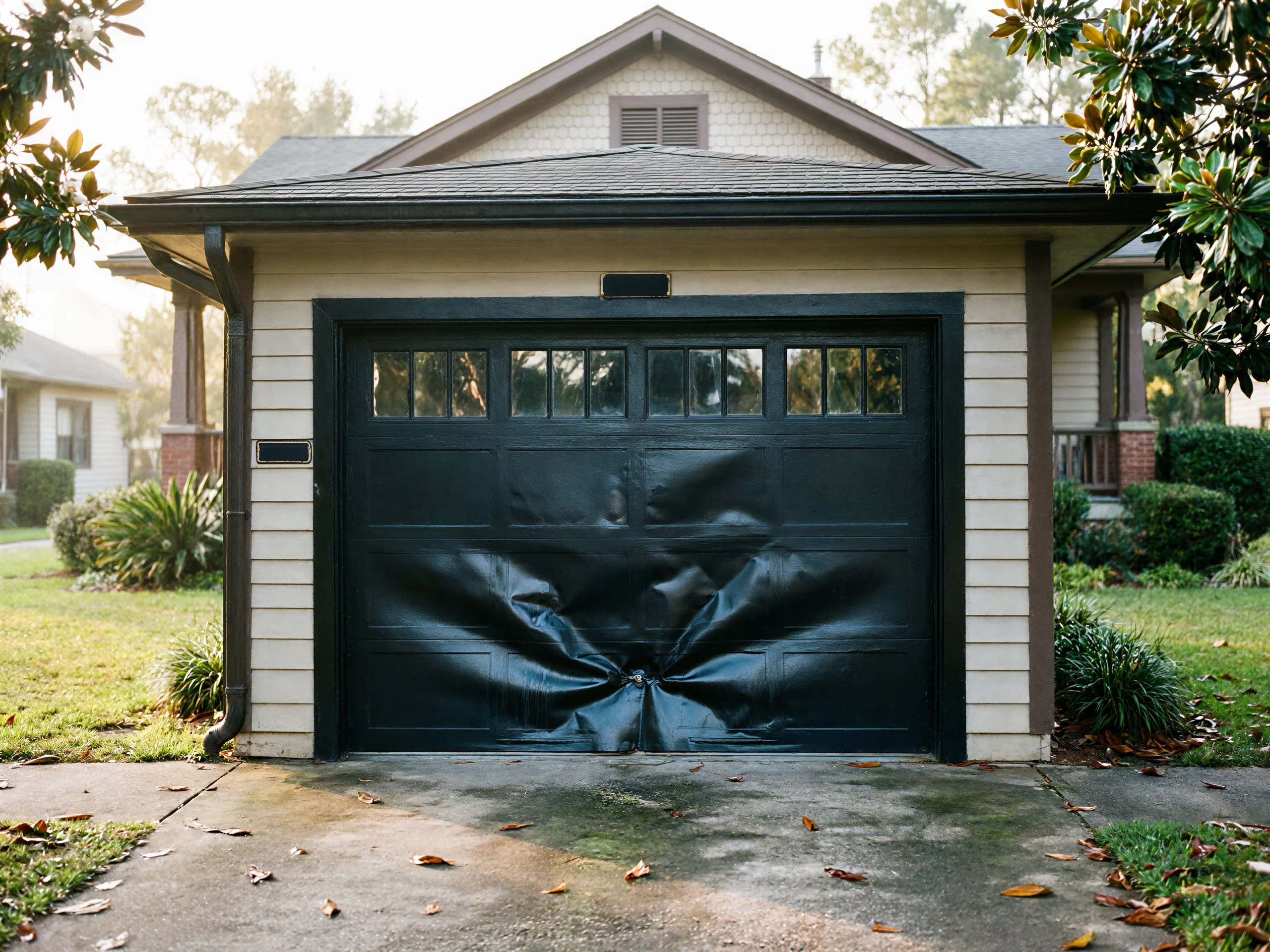
- Garage Door Repair
- New Door Installation
- Springs & Openers
Parts We Carry
Most of the doors we're asked to patch up around here are steel sectional doors from the 1980s and 90s, with a smaller run of early-2000s builds mixed in.
Panels for long-run builders
That means we stock panel sections sized for the long-run builders who worked this area during that stretch - raised-panel and flush steel in the widths that fit a standard two-car opening, plus the end stiles and hinges that go with them. What we don't carry is every discontinued panel pattern from every manufacturer that's touched a house here since 1971.
Odd brands may not ship
If your door is an odd brand or a design that stopped shipping parts a decade ago, we'll tell you that up front rather than quote a job we can't finish on time. Sometimes the honest answer is a full door instead of a patched one, and we'll say so before we order anything.
Close-match panels without wait
For doors still inside the common range - steel, standard track, torsion or extension spring setup - we can usually get a matching or close-match panel section without a long wait. We'll check the door's age and manufacturer stamp first, because guessing wastes your money and ours.
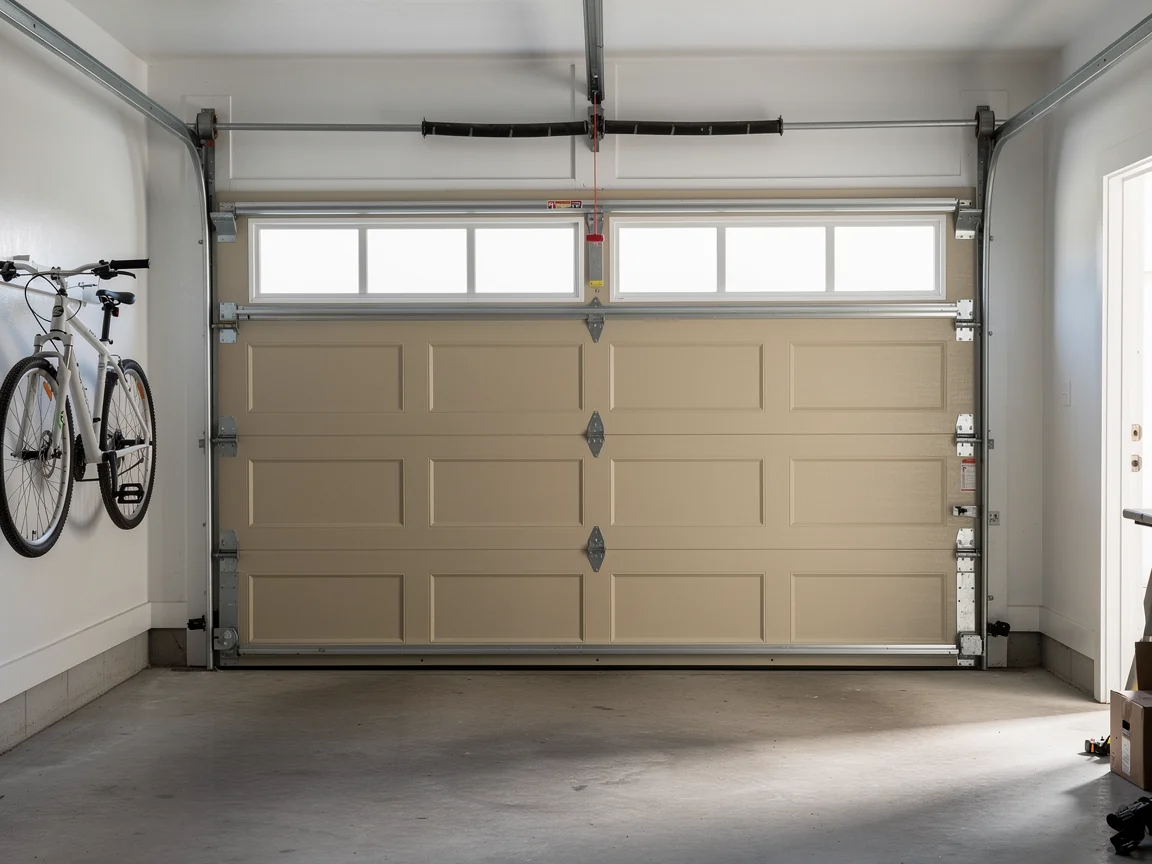
How It Shows Up
A bottom panel takes the hit first. It's the one that eats the curb, the trailer hitch, the kid on a bike who didn't see the door coming down.
Creases and binding panels
You'll see a crease or a bowed section, sometimes a crack along the seam where the steel folds. The door still runs, mostly - until the bent panel binds against the track and the opener starts straining on every cycle.
Corrosion from the bottom
Middle panels dent less from impact and more from corrosion - a soft, rusted-through patch near the bottom edge that started as a pinhole and spread. On a door with an exposed aluminum trim strip, you'll sometimes see pitting or a chalky white buildup starting where salt air sits on the metal longest.
Sagging signals panel damage
Either way, a damaged panel changes how the whole door balances. If you've noticed the door sagging to one side when it's halfway up, that's usually the first sign the panel section isn't doing its job anymore, not just a cosmetic problem.
Why It Happens Here
A lot of the garage doors we work on in this area went up between 1971 and 2002, with the bulk of that stock dating to the 1980s and 90s. Steel sectional doors from that era used thinner gauge steel than what's sold today, and after thirty-plus years that steel is more prone to denting under impact and rusting through at the seams than a modern door would be.
On top of the age of the stock, the climate here is mild with occasional freeze, which doesn't sound like a hard environment until you factor in the salt air coming off the water. Moisture sits in the panel seams and around the hardware fasteners longer than it would somewhere dry, and that steady low-grade exposure is what turns a small ding into a rust hole over a few years. It's not one bad storm doing the damage - it's years of humid air working at galvanized coating that was never built to last forever.
We see this pattern across the whole service area, not just one neighborhood. Thirteen areas we serve - from Mount Pleasant and James Island out to Kiawah Island and Ravenel - carry roughly the same housing-era mix, so the repair pattern looks similar whether the house is six miles out or nineteen.
What the Repair Takes
A single panel swap on a standard steel door usually goes faster than people expect, because the fix is isolated to the damaged section and its hinges rather than the whole door assembly.
Single-panel swap process
We pull the bad section, free the rollers, swap the panel, and reset the hinges and fasteners - the door comes back into balance without needing a full spring or track rebuild in most cases. Where it takes longer is matching an older panel's color and profile exactly.
Faded finish mismatch
A door that's sat out in salt air for twenty years has faded unevenly, so a brand-new panel section next to the originals will look slightly different even if the model matches. We'll be upfront about that before we start - it's a cosmetic tradeoff, not a defect in the work.
Replace whole door instead
If more than one panel on the same door is cracked or rusted through, replacing the whole door often costs less in the long run than chasing discontinued matching sections one at a time. We'll walk you through both numbers before you commit to either.
Questions
Common questions
Can you match the panel color on an older door?
We'll get as close as the manufacturer's current stock allows, but a panel that's been fading in salt air for twenty-plus years will rarely match a new section exactly. We'll show you the color difference before we order so there are no surprises on install day.
Is it cheaper to replace one panel or the whole door?
For a single dent or rust spot, one panel is usually the cheaper fix. Once two or more sections are damaged, or the panel pattern is discontinued, a full door often ends up costing less than chasing individual replacement sections.
Why do Charleston garage doors rust through faster than I'd expect?
The housing stock here is mostly 1980s and 90s steel sectional doors, and the mild, humid, salt-laden air works steadily at galvanized coatings over decades. It's not one event - it's sustained low-grade exposure that eventually eats through thinner older-gauge steel at the seams.
Do you carry panels for every garage door brand?
No. We stock sections that fit the common steel sectional doors built during the area's main construction era, roughly the 1970s through early 2000s. For odd brands or discontinued patterns, we'll tell you honestly if a matching panel isn't realistic before we take the job.
Explore more
Explore More Services In Charleston, SC
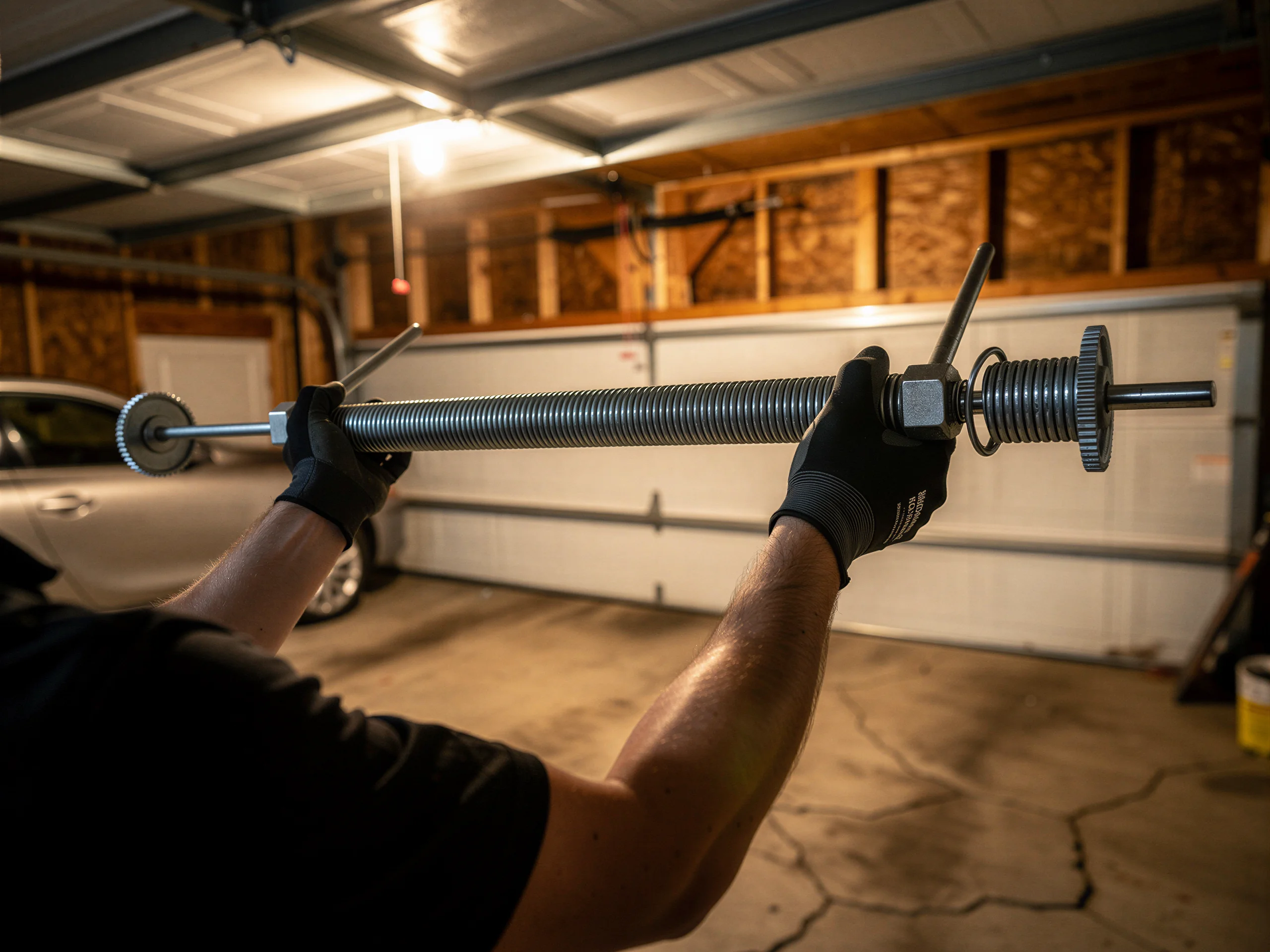
Garage Door Spring Repair, Charleston SC
Broken torsion springs are common on 1970s-90s Charleston area homes, fixed right the first time. Learn more →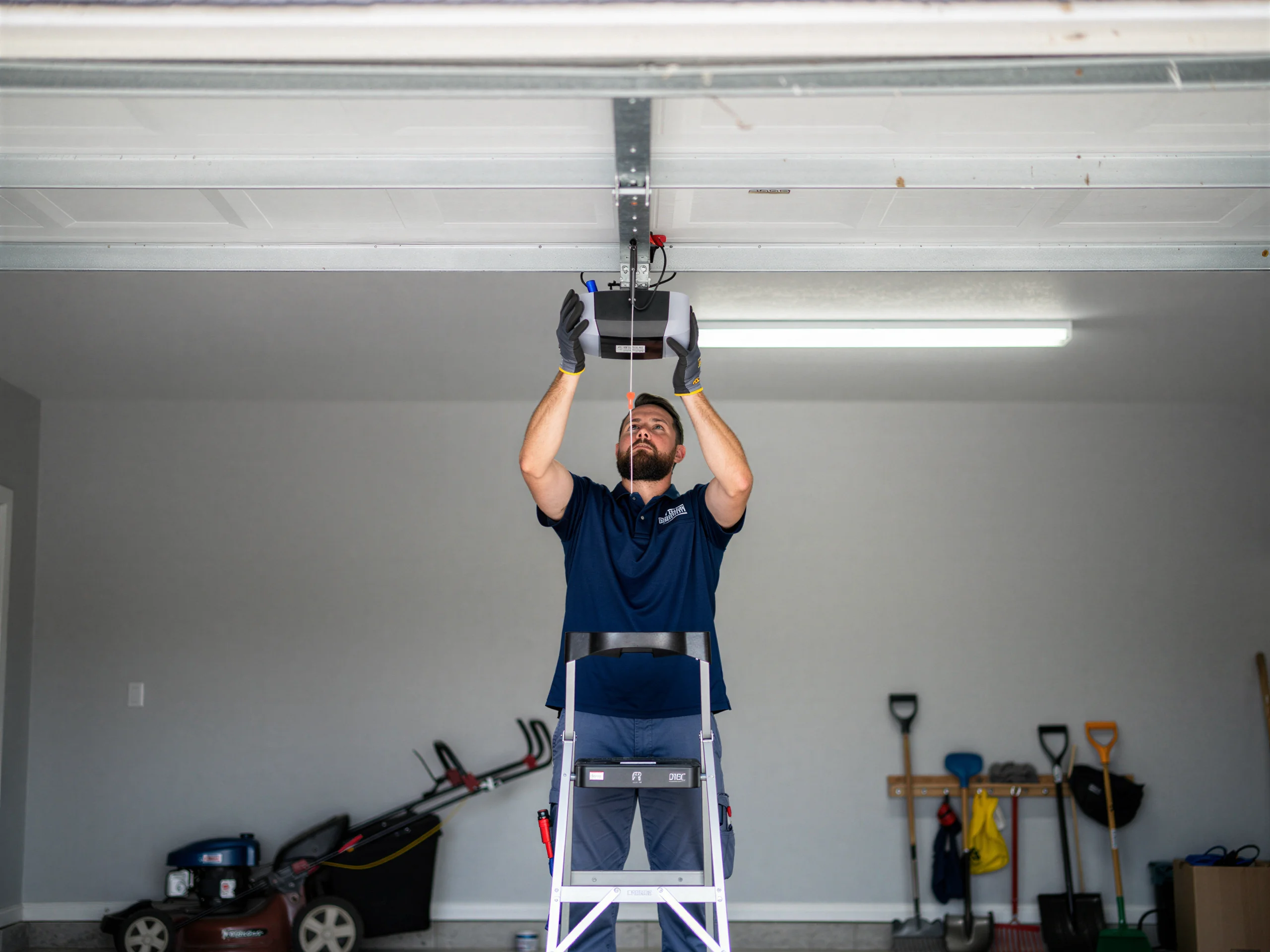
Garage Door Opener Installation Across Charleston
Charleston homes built 1971-2002 are hitting the age where chain-drive openers from the original build quit. Learn more →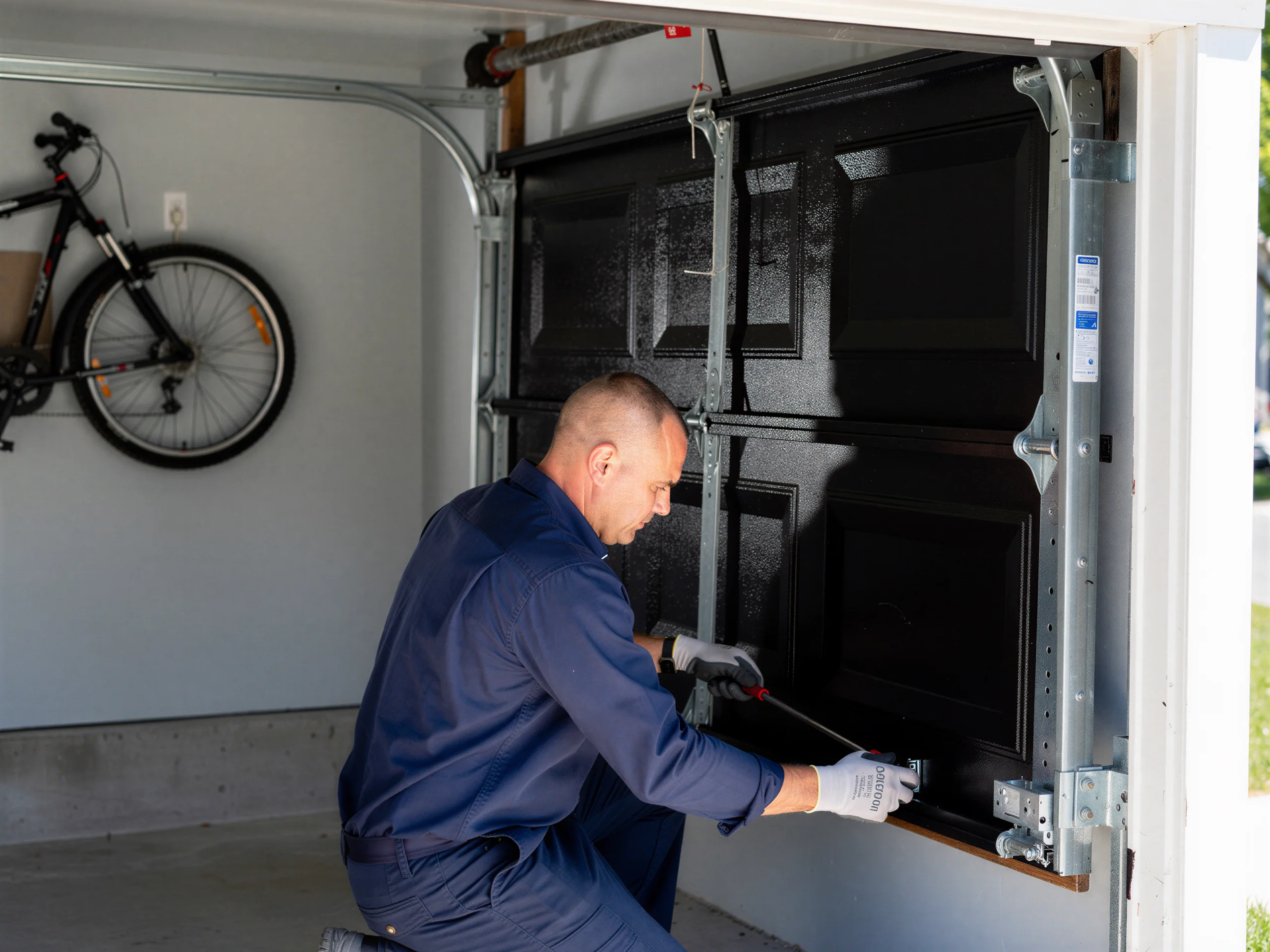
Garage Door Repair in Charleston, SC
Garage door repair for Charleston homes built 1971-2002, where coastal humidity and original hardware wear out springs, rollers, and openers faster than inland stock. Learn more →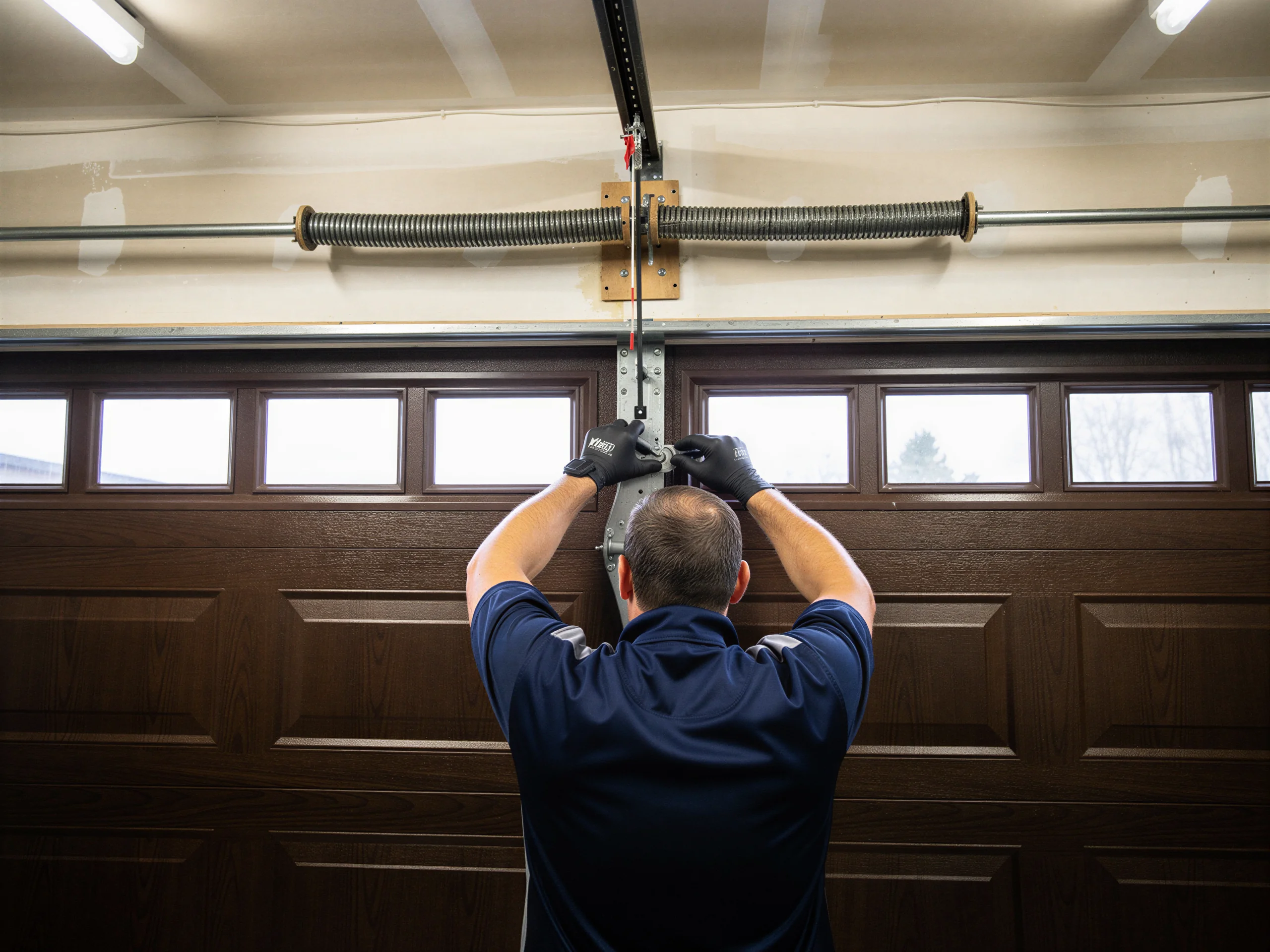
Garage door service built around Charleston's housing stock and climate
Most Charleston-area houses went up between 1971 and 2002, and coastal humidity has been working on the springs and track hardware ever since. Learn more →
Garage Door Maintenance for Charleston Homes
Routine garage door maintenance for Charleston homes built mostly in the 1980s and 90s, where humidity swings and original torsion hardware wear out the same way, year after year. Learn more →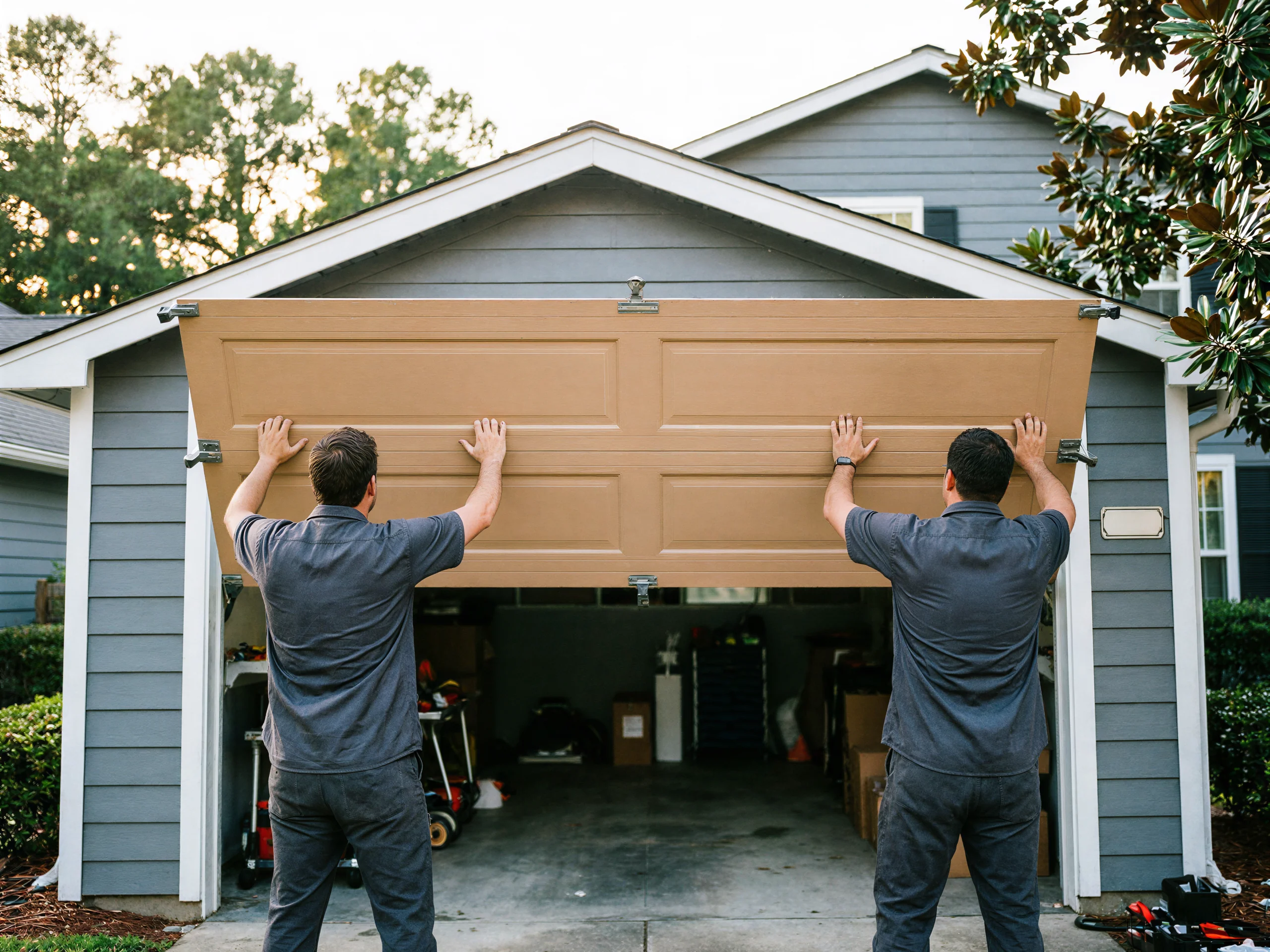
Garage Door Installation for Charleston Homes
New garage door installation for Charleston homes built 1971-2002, matched to the coastal mild-with-freeze climate and the 13 area housing styles we see every week. Learn more →Ready when you are
Cracked or dented door panel in Charleston?
Charleston Garage Door Pros repairs and installs garage doors, springs and openers in Charleston, SC and the surrounding area.