Charleston, SC
Garage door service built around Charleston's housing stock and climate
Most Charleston-area houses went up between 1971 and 2002, and coastal humidity has been working on the springs and track hardware ever since. Here's what we see and fix.
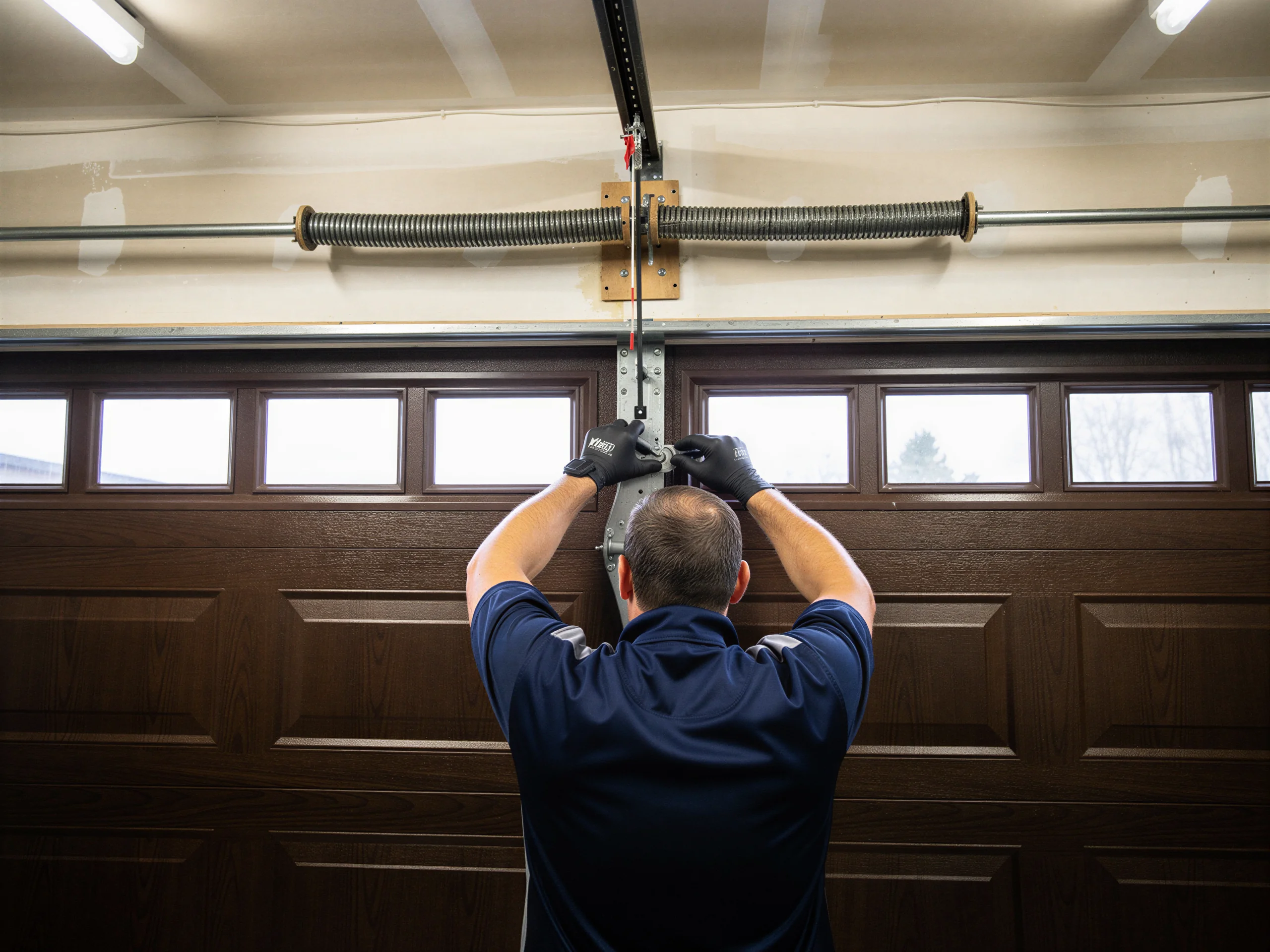
- Garage Door Repair
- New Door Installation
- Springs & Openers
Parts We Carry
We stock the parts that actually fail on houses built here between 1971 and 2002 - that's most of the service area, across neighborhoods from West Ashley to Mount Pleasant to James Island.
Springs for 1980s-90s doors
That means torsion springs sized for the steel sectional doors that went in during the 1980s and 90s building boom, galvanized rollers to replace the ones that have gone rough and loud, and standard-drive openers compatible with the chain and belt units homeowners installed as originals or first replacements wore out.
Extension springs on hand
We carry extension springs too, since a chunk of that era's garage builds used them on lighter doors instead of torsion setups. What we don't carry on the truck: specialty designer doors or anything custom-ordered - those need a lead time and a separate trip, and we'll tell you that up front instead of pretending otherwise.
Original gears worn plastic
Cable and bottom bracket hardware gets swapped more than people expect, mostly on doors original to the build. If your door still has its first opener from a 1980s or 90s install, the gears inside are usually plastic and worn past saving - we replace the unit rather than chase individual parts that aren't made anymore.
How It Shows Up
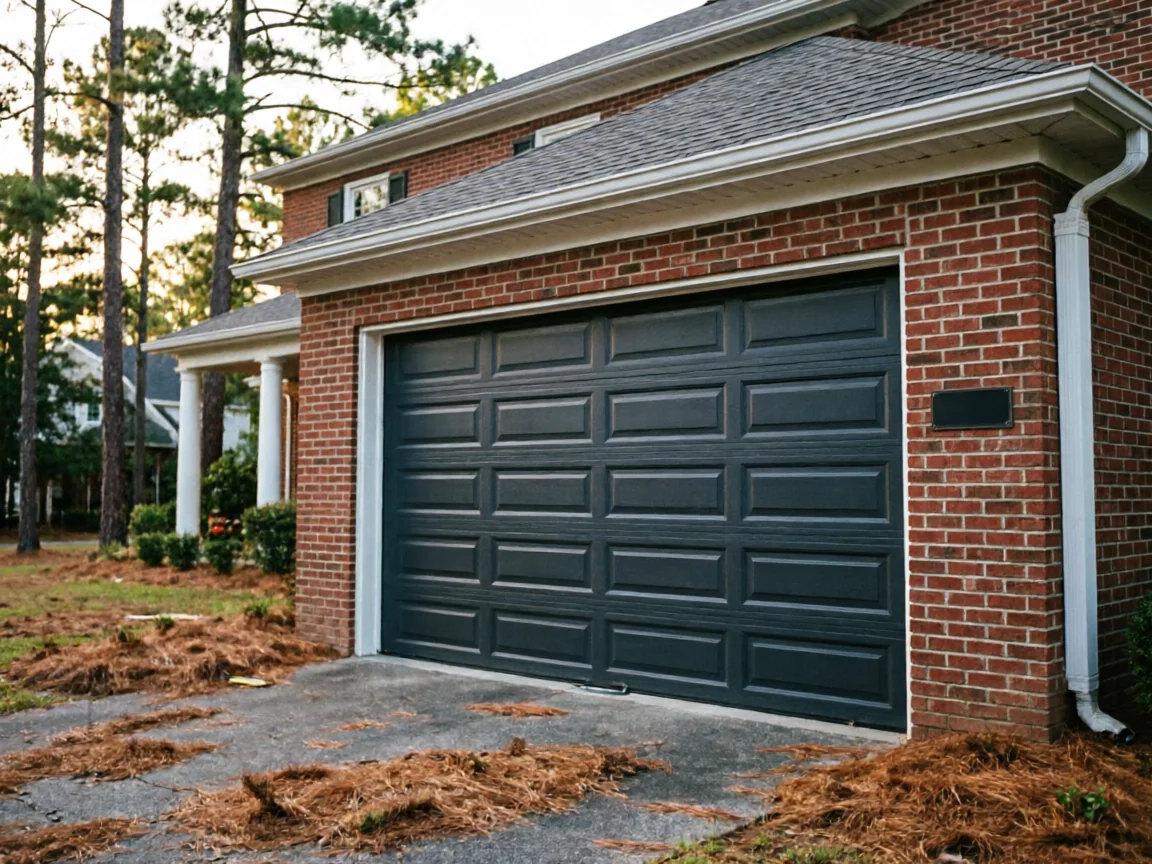
The call usually starts one of two ways. Either the door won't open at all - spring snapped, cable off the drum, or opener motor running but the door not moving - or it's limping: grinding on the way up, reversing partway, or dropping fast on the way down because a spring has lost tension gradually instead of snapping clean. On older torsion setups original to a 1980s or 90s build, the spring often goes without warning, usually in the first cold snap of the season when the metal's a little stiffer than it was in August.
Rust on the track and hinges is the other common sign, especially on doors that face a side yard or sit low near grade. It doesn't always mean the door's done - sometimes a track adjustment and a roller swap is all it needs. We'll tell you which one you've got before any work starts, not after.
Why It Happens Here
Charleston's climate sits in a mild band with occasional freeze, which sounds easy on hardware but isn't. The humidity stays high most of the year, so steel springs, tracks, and hinges are under constant low-grade corrosion pressure even without a hard freeze to speed things up. Combine that with housing stock mostly built between 1971 and 2002 - the bulk of it 1980s and 90s construction across the thirteen-plus areas we work, from Hanahan to Goose Creek to Folly Beach - and you've got thirty-plus-year-old galvanized coatings that have had decades to thin out in salt-humid air.
A spring rated for a given cycle count wears the same everywhere, but here it's fighting moisture every single day instead of drying out between storms the way it would inland. That's the difference between a spring lasting its full rated life and one that goes early. It's not a flaw in the door - it's just what this air does to steel over thirty years.
What the Repair Takes
A straightforward torsion spring replacement on a standard double door is a same-visit job once we've confirmed the spring size and drum setup, which varies more than people expect across houses built in different years of that 1971-2002 stretch.
Fast cable and roller swaps
Cable, roller, and hinge work goes faster still. Opener replacement takes longer mainly because of mounting and wiring to match whatever bracket and rail configuration the original installer used.
Parts ordered, not improvised
What doesn't happen in one visit: anything needing a part we don't carry on the truck, which mostly means older or discontinued opener models and custom door panels. We'd rather order the right part than install something that's close enough and fails again in a year.
Full refresh over patchwork
Given that median household income in this service area runs above $96,000, most owners here choose a full spring and hardware refresh over a patchwork fix when a door's hardware is original - it costs more up front but it means the next call isn't in six months.
Questions
Common questions
Why did my garage door spring break with no warning?
Torsion springs don't usually give notice - they're rated for a cycle count and fail at the end of it, often in a cold snap since metal gets stiffer. On houses built in the 1980s and 90s, which is most of this area, that original spring is often past its rated life and corrosion from the humid climate here speeds that up.
Is it the spring or the track if my door is grinding?
Grinding usually points to the rollers or track alignment rather than the spring - a spring problem shows up as the door not holding position or needing help to open. We check both before quoting, since a roller swap is a different job and a different cost than a spring or track repair.
Does Charleston's climate really affect garage door hardware?
Yes. The mild, humid air here keeps steel hardware under steady low-grade corrosion pressure year-round, even without hard freezes. Combined with housing stock mostly built between 1971 and 2002, a lot of original springs and track hardware are thirty-plus years into coastal humidity exposure.
Can you fix any garage door opener?
Most standard chain and belt-drive openers from the 1980s-2000s era common in this area, yes. Older or discontinued models sometimes need a part we don't keep on the truck, in which case we order it rather than install a mismatched substitute.
Explore more
Explore More Services In Charleston, SC
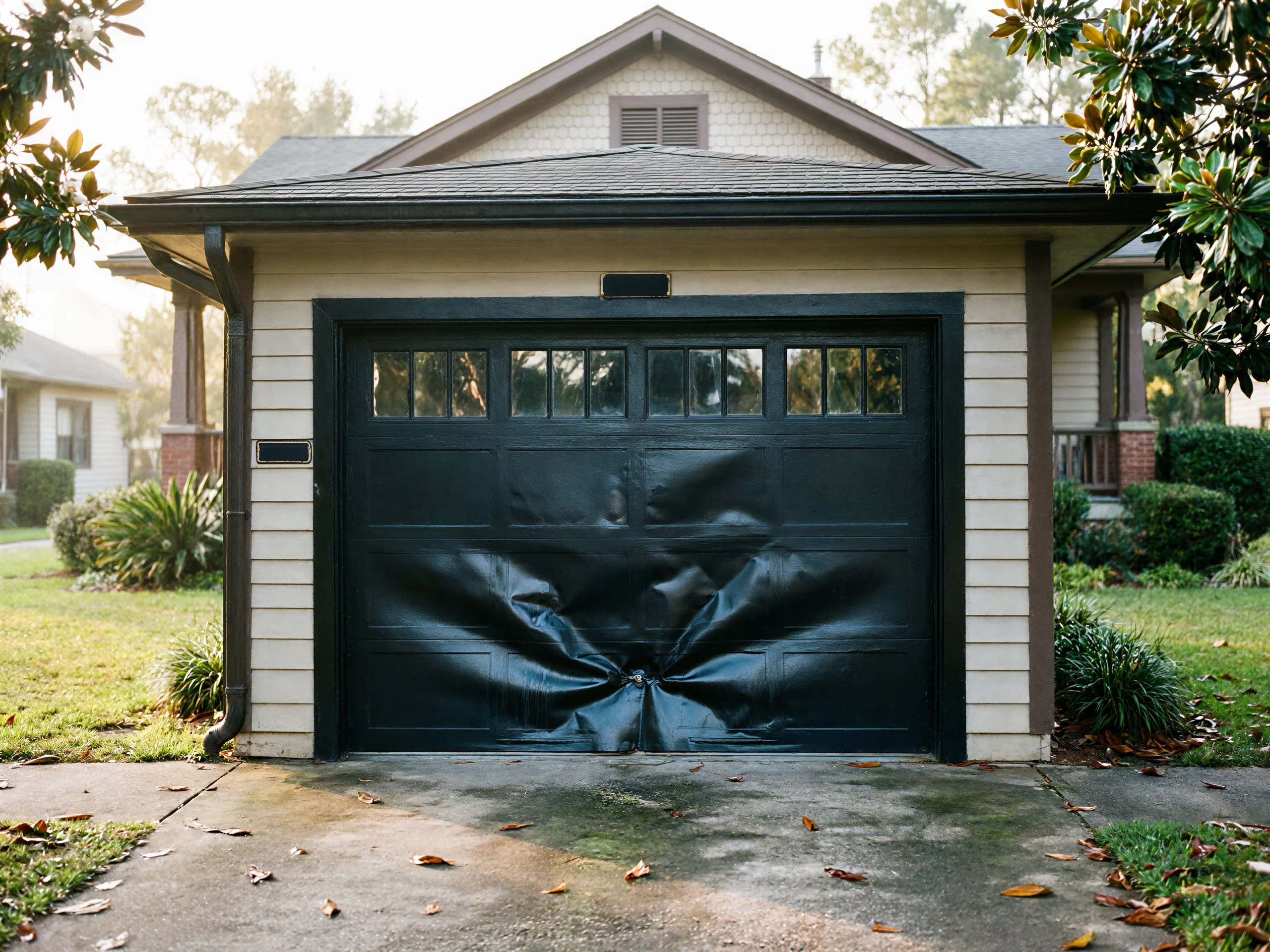
Garage Door Panel Replacement Across the Charleston Area
Panel replacement for the steel and aluminum doors common on Charleston's 1970s-2000s housing stock. Learn more →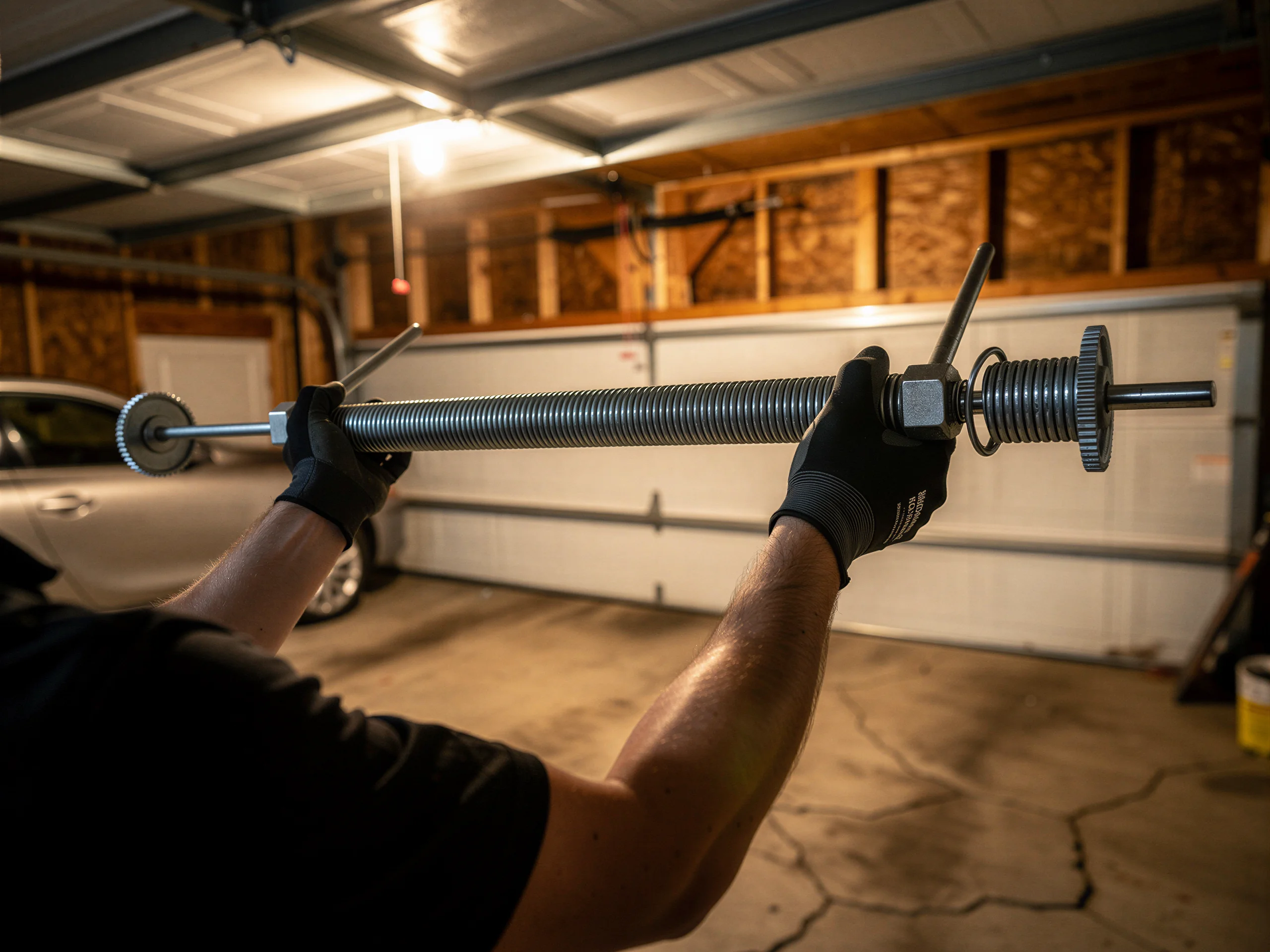
Garage Door Spring Repair, Charleston SC
Broken torsion springs are common on 1970s-90s Charleston area homes, fixed right the first time. Learn more →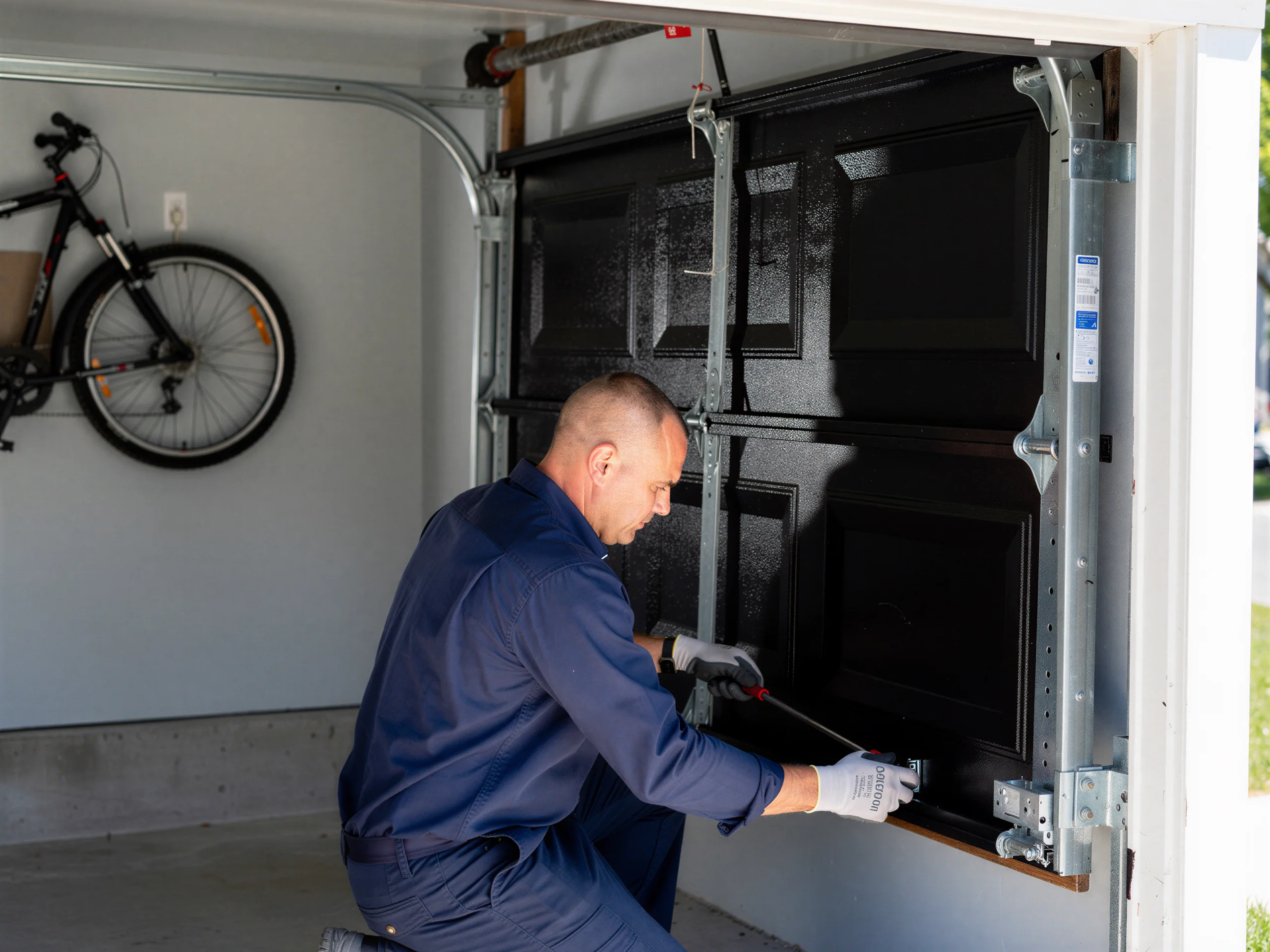
Garage Door Repair in Charleston, SC
Garage door repair for Charleston homes built 1971-2002, where coastal humidity and original hardware wear out springs, rollers, and openers faster than inland stock. Learn more →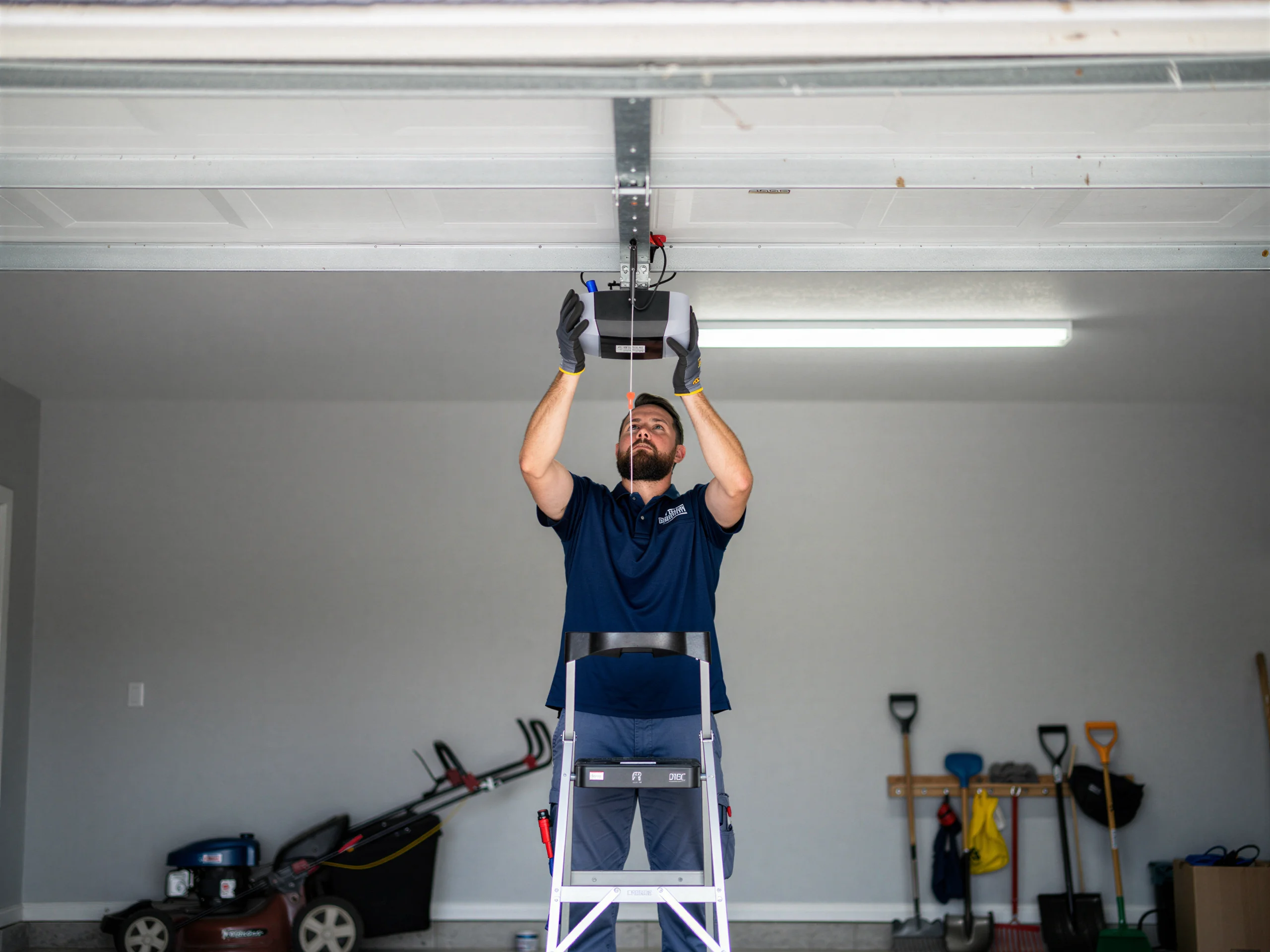
Garage Door Opener Installation Across Charleston
Charleston homes built 1971-2002 are hitting the age where chain-drive openers from the original build quit. Learn more →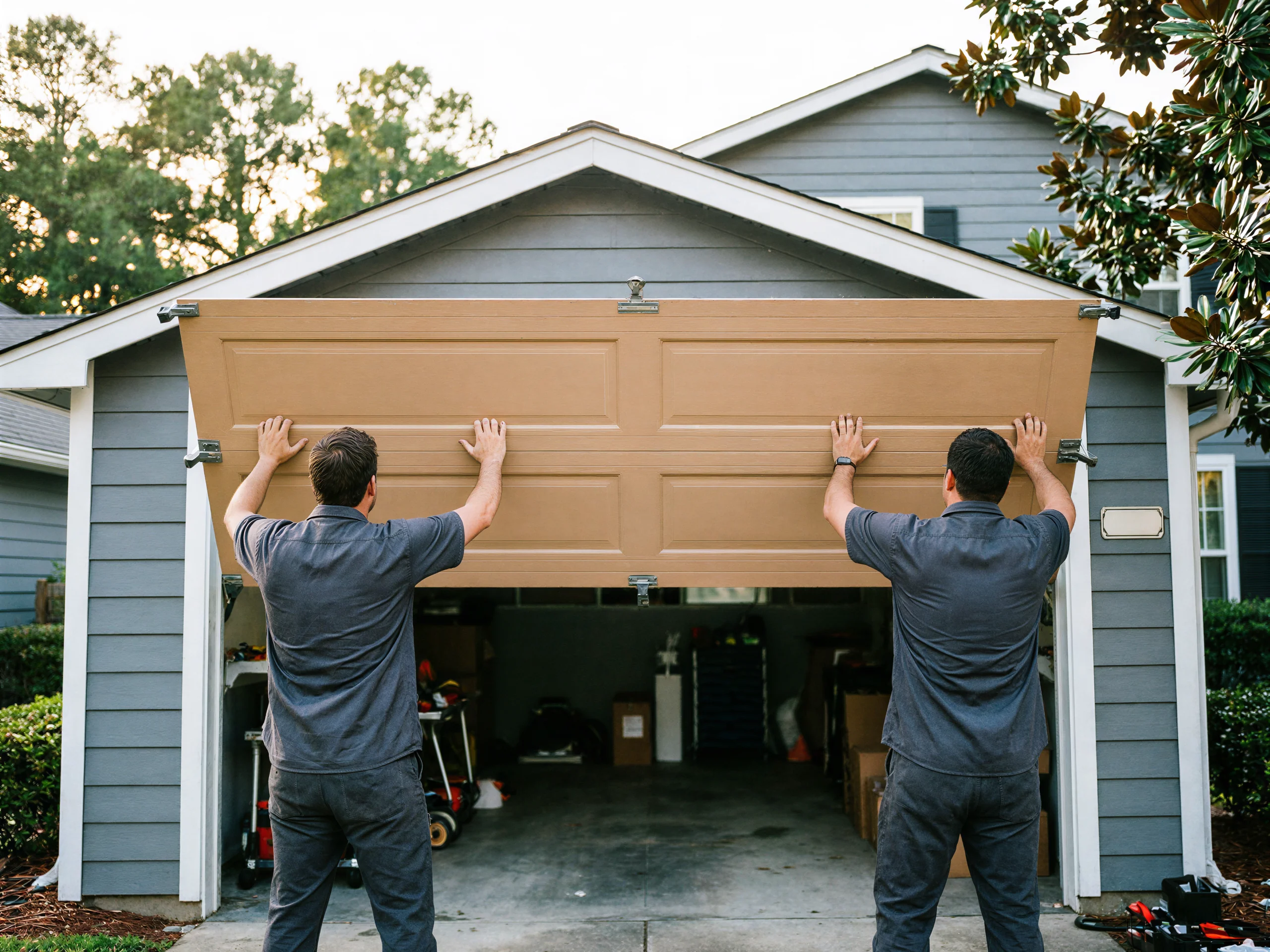
Garage Door Installation for Charleston Homes
New garage door installation for Charleston homes built 1971-2002, matched to the coastal mild-with-freeze climate and the 13 area housing styles we see every week. Learn more →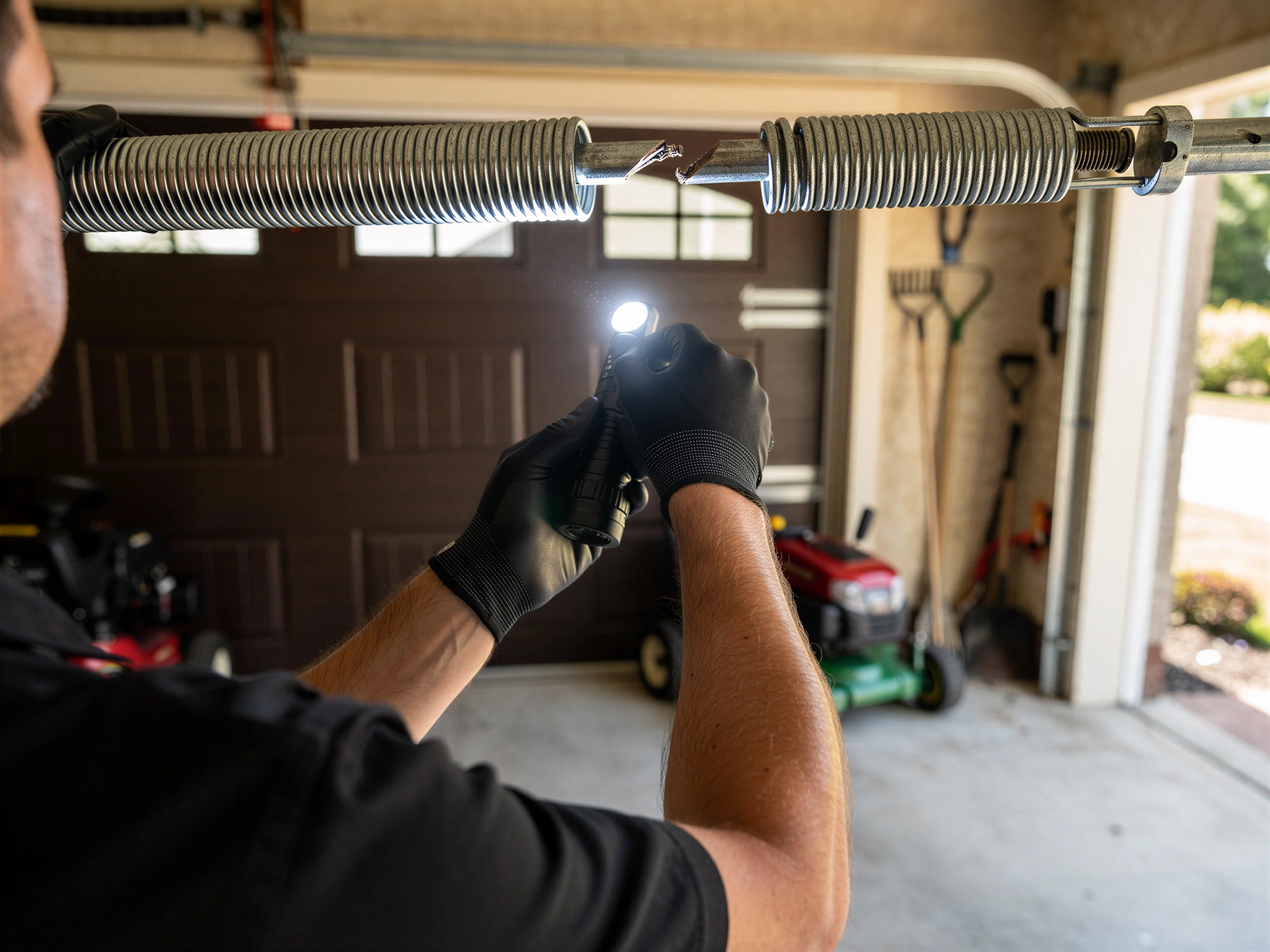
Emergency Garage Door Repair Across the Charleston Area
Broken spring or dead opener in Charleston? Learn more →Ready when you are
Need garage door service in Charleston?
Charleston Garage Door Pros repairs and installs garage doors, springs and openers in Charleston, SC and the surrounding area.