Local detail
How Local Conditions Play In
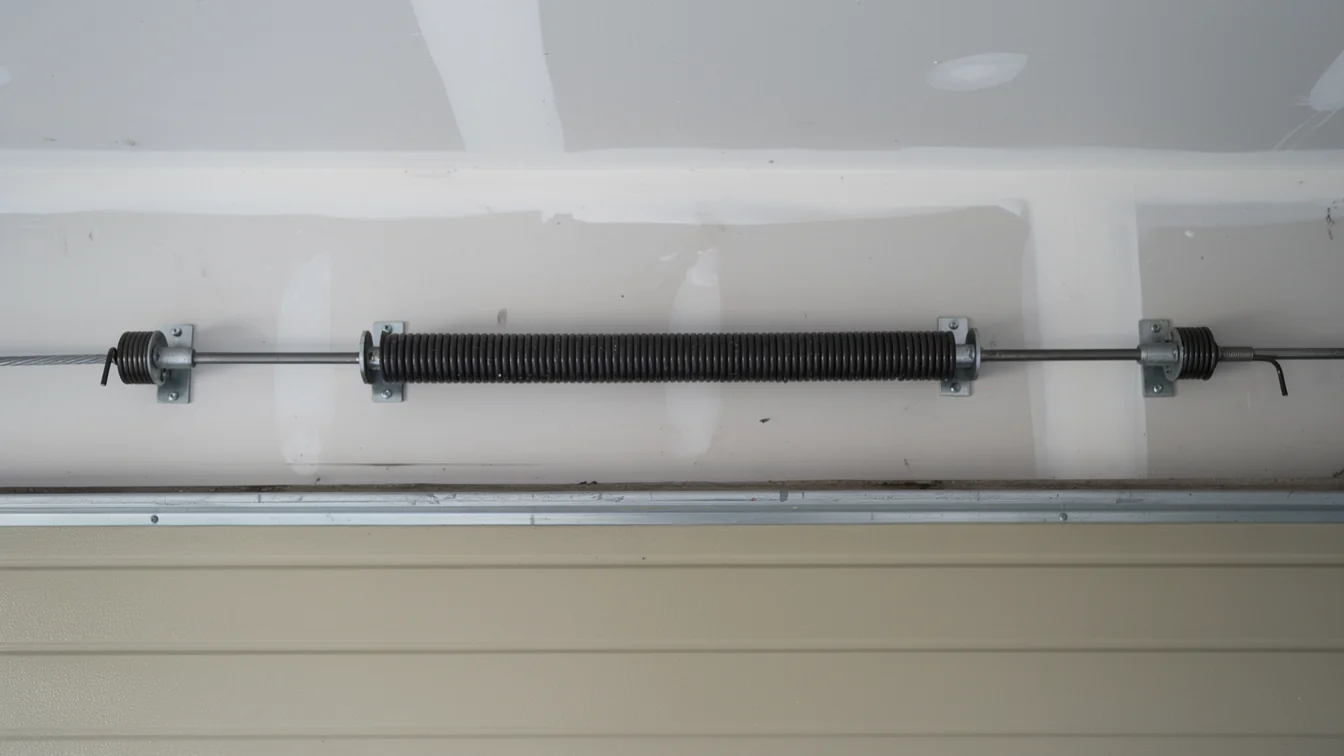
Most of the housing stock around Charleston went up between 1971 and 2002, with the bulk of it dating to the 1980s and 90s across the thirteen areas we work in, from West Ashley out to Ladson and Ravenel. That window matters because it's when steel torsion springs and chain-drive openers became standard, replacing the older extension-spring setups you'd find in pre-1970 construction. A door from that era that starts groaning on the way up is usually a spring losing tension, not an opener problem.
The climate here is mild with occasional freeze, which is gentler on hardware than a true four-season climate but not nothing. A hard freeze a few nights a year is enough to stiffen grease on rollers and tracks that haven't been serviced, and the humidity swings common to the Lowcountry work steel fasteners loose over a couple of decades faster than you'd expect in a drier climate. A rattle that wasn't there last spring is often just thermal cycling finding a loose bracket. It's not dramatic, but it adds up on a door that's 20-plus years old.
The area
What You Pay
We don't have a flat number to hand you here, because what you pay depends on what's actually making the noise - a $20 roller swap and a snapped torsion spring on a double-wide door are not the same call, even though both might start as "it's making a grinding sound." What we can tell you is that in a service area where median household income runs just over $96,000 and most houses are owner-occupied rather than rented, the calls we get tend to be homeowners who want the door fixed right rather than patched to get through the week.
The honest answer is that pricing follows parts and labor, not the neighborhood you live in. A loose hinge on a hollow-panel door from the 90s costs less to quiet down than a worn opener gear assembly. If a shop quotes you a number before looking at the door, be skeptical of it.
What we find
The Situation
A metallic snap followed by the door refusing to move is almost always a broken torsion spring - common on doors from this era since most springs installed between 1971 and 2002 are well past the cycle count they were rated for by now. A rhythmic thump as the door travels is usually a flat spot on a roller, more common on the older nylon rollers that shipped standard through the 80s and into the 90s before better composites became common. A high-pitched squeal on the way down, especially right after a cold snap, often means hinge pins or roller bearings that lost their grease when temperatures dropped.
Grinding from the opener head itself, as opposed to the door, points to the opener's internal gear - a part that wears out on its own timeline regardless of the door below it. And a low hum with no movement at all, on a door that's otherwise quiet, usually means a capacitor or motor winding going, not the track or spring hardware at all. Knowing which noise is which saves a service call from turning into guesswork.
How we work
When It Stops Being a DIY Job
Lubricating hinges and tightening visible bolts is fair game for a homeowner, and it solves more squeaks than people expect on a door from the 80s or 90s stock that's simply due for it. Where we draw the line is torsion springs. These are wound under enough tension to do real damage if the winding bars slip, and we won't walk anyone through that over the phone no matter how capable they are with tools.
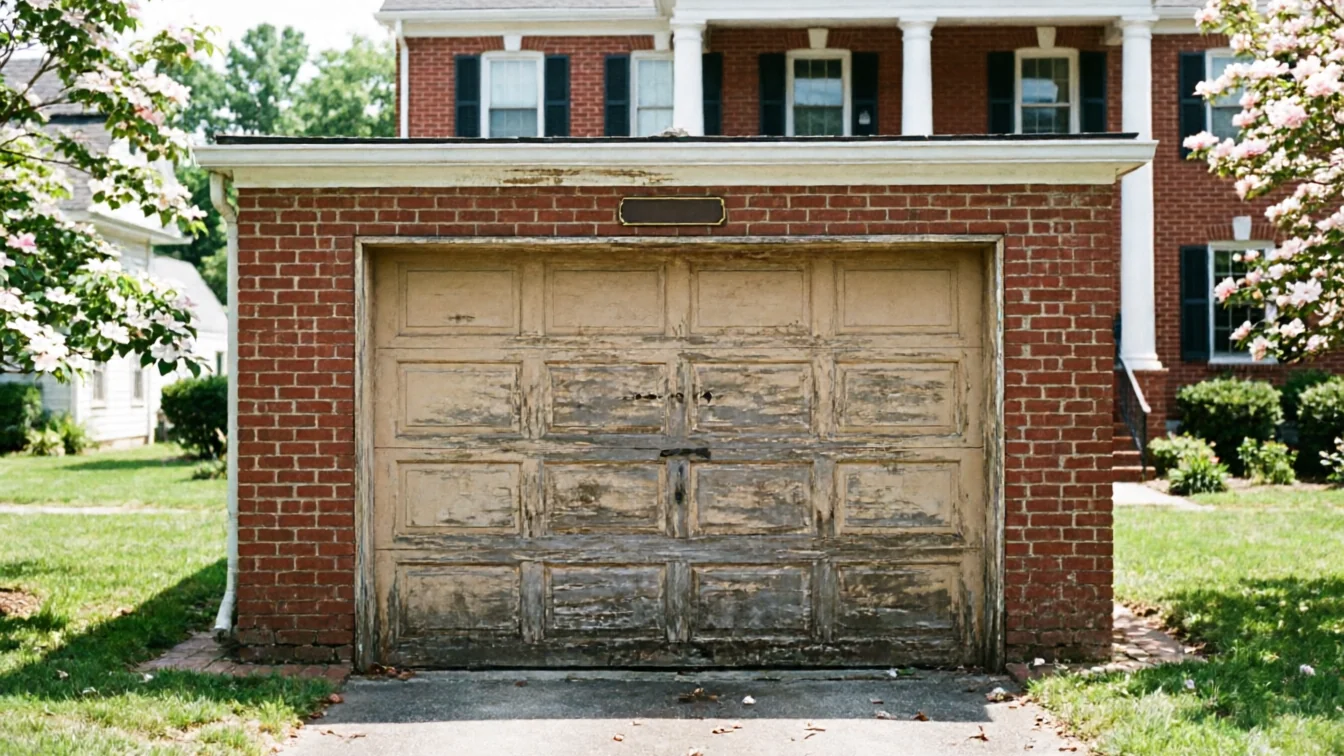
We also won't pretend every noisy door needs full replacement. If the opener and track are sound and it's one bad roller or a dry hinge, that's a short visit, not a sales pitch. Where replacement does make sense is a door original to a house built in the 1970s or early 80s, where the springs, rollers, and often the opener are all reaching the end of their service life around the same time - fixing one piece just means the next one fails a few months later.
Talk to a local pro
Garage door trouble in Charleston?
Same-day service with honest, upfront quotes.